
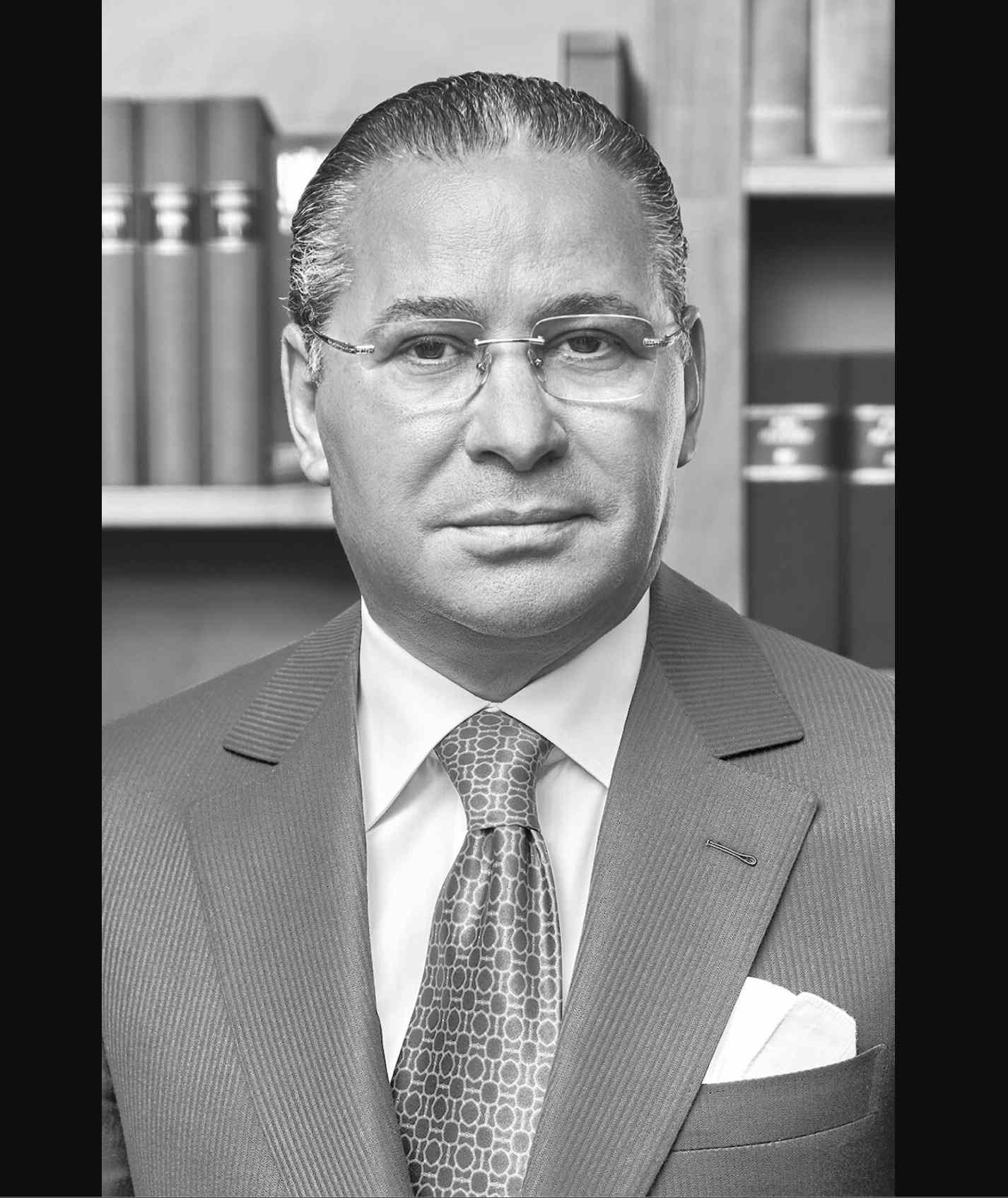
By Kamel Ghribi, Chairman, GKSD and Gruppo San Donato
Around the world today, millions of households, schools, clinics, and small businesses still lack reliable, affordable electricity. Across Africa alone, at least 600 million people lack access to electricity, according to the United Nations. For the families affected by this reality, it means dark nights, limited refrigeration for medicine and food, disrupted education, and stalling economic opportunity. This is a real global human problem that affects livelihoods, life expectancy, and economic resilience.
Interestingly, although energy inequality is often discussed in technical terms or political roundtables, it commands little or no coordinated action. If we are serious about global development and resilience, we must shift the conversation from theory to execution.
Why Energy Inequality Should Matter to Everyone
Energy access is foundational. Electricity powers hospitals, clean water systems, factories, transportation networks, and communication technologies. Unequal access to energy deepens social and economic divides and can destabilize communities. Regions without dependable power struggle to attract investment, develop local industries, or maintain essential services, which, in turn, fuels economic challenges, unemployment, migration pressures, and social frustration.
In this sense, energy inequality isn’t just a “development issue” for those directly affected; it becomes a global risk multiplier. In other words, countries that ignore energy access are not only failing their own citizens but are contributing to a world more vulnerable to economic fragmentation and financial shocks.
Why Leadership Must Go Beyond Rhetoric to Result-Driven
For a long time, political and business leaders have been demonstrating their influence with words, mere speeches, pledges, and public commentary that do not match with measurable progress on the ground. But this era is over. We must now re-focus strategy towards solving actual human problems. As the Canadian Prime Minister, Mark Carney, rightly noted during his recent speech during the 2026 World Economic Forum, “We know the old order is not coming back. We shouldn’t mourn it. Nostalgia is not a strategy… The powerful have their power. But we have something too — the capacity to stop pretending, to name reality, to build our strength at home and to act together.”
Solving energy inequality demands actionable leadership: aligning capital with technical expertise, navigating local regulations and community dynamics, and designing infrastructure that is both sustainable and resilient. The problem is urgent and must be met with practical solutions, not just policy pronouncements.
How Action, Not Words, Can Close the Gap
Addressing energy inequality requires builders that can bring together public authorities, private investors, engineers, and communities to create infrastructure that works.
For example, my own company, GKSD, recently offered to build two waste-to-energy plants in Benghazi, Libya. These facilities are designed to convert municipal waste into electricity. By turning waste into power, we can simultaneously address two pressing local needs: reducing pollution and increasing reliable electricity supply. This is an example of integrated problem-solving, where technical know-how, investment, and operational planning come together to deliver measurable impact.
The offer to build these facilities was made directly to Libya’s Development and Reconstruction Fund as part of a broader plan to enhance the country’s energy and infrastructure systems. While offers alone are not enough, they illustrate a model of engagement that prioritizes implementation and real outcomes.
What It Will Take to Make Progress
Closing the energy inequality gap will not happen through declarations or conferences. It will require:
- Partnerships that align governments, investors, and local communities around shared goals
- Financing models that make long-term infrastructure investment viable and sustainable
- Technical solutions that are tailored to local conditions, whether grid expansion, renewables, or waste-to-energy systems
- Execution capacity to move projects from concept to operation, with accountability and transparency
Energy access should not be a privilege of some nations or regions. It is a basic human condition that underpins health, education, safety, and opportunity.
