
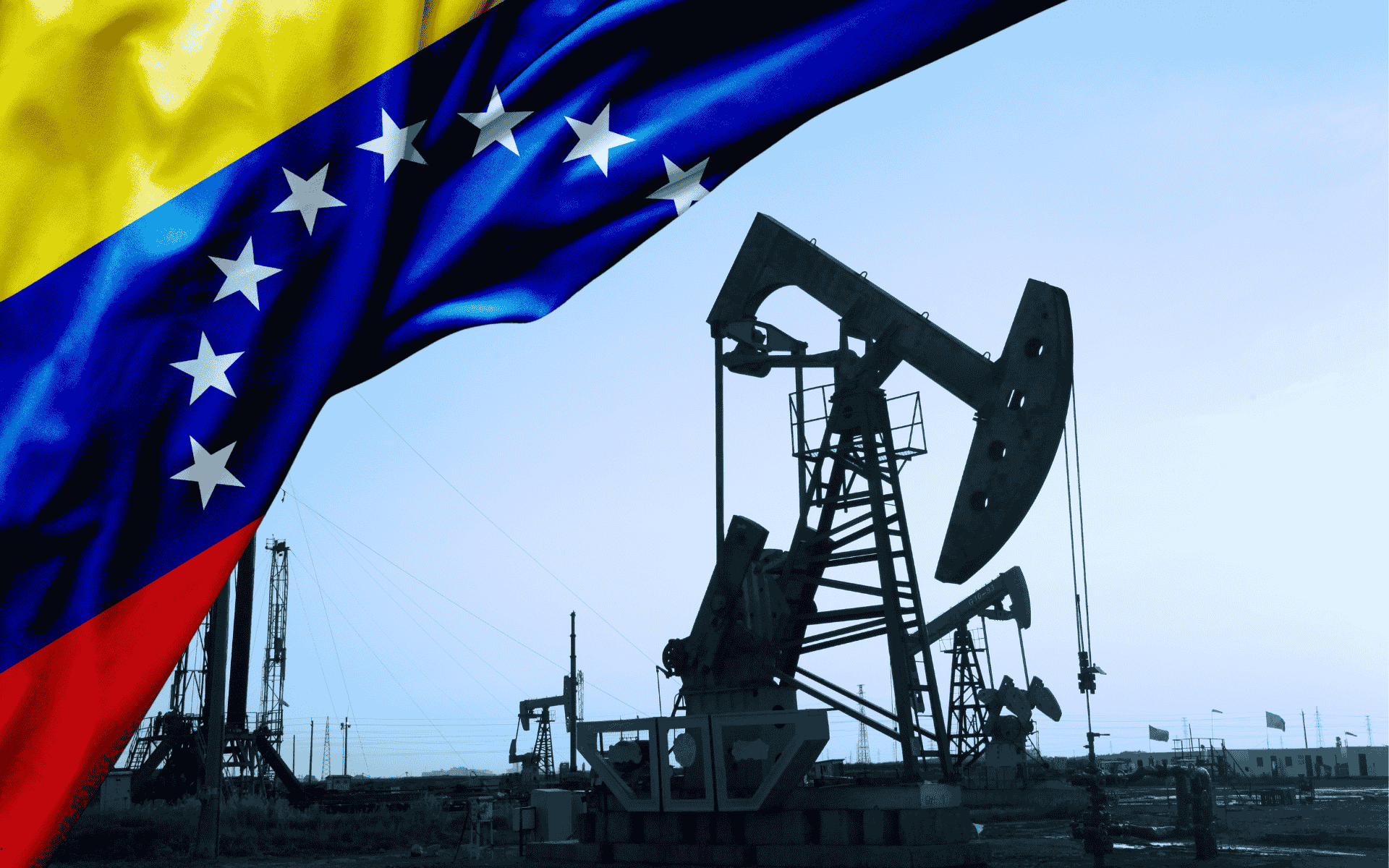
Energy major Chevron finalized an agreement with Venezuela’s PDVSA in April 2026 to trade its offshore gas holdings for a larger footprint in the country’s Orinoco Belt – the world’s single largest accumulation of heavy crude oil reserves. The move signals a broader shift in how heavy oil is being repositioned: not as a stranded resource, but as a commercially viable asset underpinned by integrated operations, strategic partnerships and secure offtake channels.
As Venezuela accelerates output through blending, infrastructure alignment and IOC-led investment, a clear blueprint is emerging for unlocking complex barrels. For African producers with underdeveloped heavy crude reserves, the question is increasingly direct: can the Orinoco model be adapted to convert similar resources into bankable production?
The Orinoco Belt: A Path Toward Recovery
Stretching an area of 55,000 km² in southern Venezuela, the Orinoco Belt holds an estimated 302 billion barrels of recoverable oil and accounts for a lion’s share of the country’s production. Its attractiveness – and commercial viability – is largely attributed to a unique combination of scale, geological stability and proximity to export infrastructure. The belt offers production horizons that extend the typical 20-25-year lifecycle, with relatively low-cost barrels – owed to its system of horizontal wells that extend multiple reservoirs – and established export markets enhancing its appeal.
While production declined significantly in recent years due to U.S.-led sanctions, a pact by Washington and Caracas in January 2026 paved the way for renewed exports. This was backed by a new contracts between the countries to supply crude oil and derivatives to the U.S., signaling a pivot back toward U.S. refineries. Shipments have since surpassed one million bpd (March 2026), while agreements by Chevron, Eni and Repsol point to a broader production resurgence across the country – and more specifically, the Orinoco Belt.
What distinguishes the current recovery phase is the shift toward an integrated operating model. IOCs are re-engaging through structured partnerships with PDVSA, consolidating assets and streamlining operations across core heavy oil blocks. This has been complemented by renewed access to diluents, enabling extra-heavy crude to be blended into exportable grades. The grade – produced through a blend of heavy crude and imported naphtha – is popular among U.S. and Indian refiners.
Africa’s Heavy Oil Potential is Structurally Undervalued
Across Africa, heavy crude has historically been treated as a secondary resource, overshadowed by the continent’s abundance of light, sweet oil. That positioning is becoming increasingly outdated. In Nigeria, an estimated 1.6 billion barrels of heavy crude remains largely untapped, despite demonstrated success in pilot recovery techniques within the Niger Delta. The technical barriers are well understood, and in many cases, already addressed at small scale. What has been missing is the transition to commercial deployment.
The Republic of the Congo offers further evidence that heavy crude can be produced effectively within the African context. Offshore assets such as the Yombo field highlight the viability of extracting heavier grades when supported by infrastructure and integrated field development. These are not isolated examples – they point to a broader resource base that has yet to be systematically developed.
“Heavy oil is not a constraint on Africa’s growth – it is an opportunity. The countries that succeed will be those that take a full value chain approach, aligning upstream development with refining capacity and building the partnerships needed to bring these resources to market,” states NJ Ayuk, Executive Chairman, African Energy Chamber.
The Lessons Africa Cannot Ignore
Venezuela’s experience showcases that heavy crude development goes beyond reserves, with technology, integration and downstream alignment representing a driving force behind commercializing under-developed basins. Through enhanced recovery techniques – ranging from thermal injection to blending – Venezuela offers a blueprint for extraction. Integrated oilfield systems – as demonstrated in the Orinoco Belt – as well as structured partnerships with IOCs further strengthens the investment case, while established export linkages will ensure production is immediately connected to viable export channels.
For Africa, these lessons can become a cornerstone for commercialization. Nigeria is already taking steps to unlock its heavy crude reserves, with the NUPRC calling for collaboration among IOCs to development its resources. The country’s Dangote Refinery already produces naphtha, while established export infrastructure is in place. The Republic of Congo offers similar advantages, while benefits from a history of producing heavy crude grades.
Venezuela’s Orinoco recovery is not an isolated development; it is a signal that heavy oil can be repositioned as a commercially viable resource under the right conditions. As global energy markets become more complex and supply diversification gains importance, heavy crude is likely to play a more prominent role. The opportunity for Africa is to move early, leveraging lessons from Venezuela while adapting them to local conditions. In doing so, cross-Atlantic collaboration – through shared expertise, investment and technology transfer – may prove to be the most effective pathway to unlocking the continent’s heavy oil potential.
