
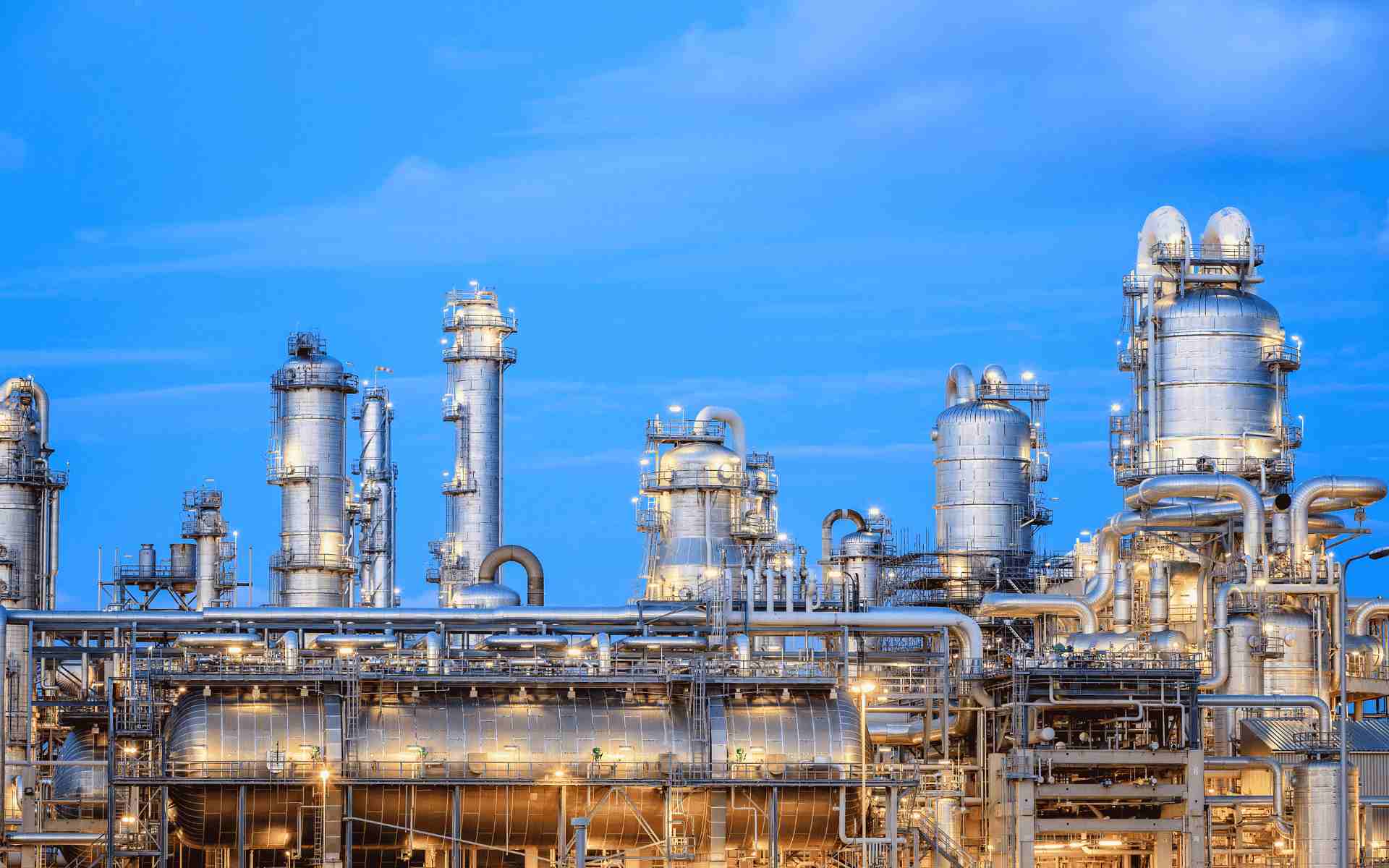
Ludoil Energy has signed an agreement to acquire a controlling stake in ISAB, owner of the Priolo Gargallo refinery in Sicily – Italy’s largest refining complex and one of the most strategically significant energy assets in the Mediterranean. The transaction, structured in phases and subject to regulatory approvals, will see Ludoil take a majority position before progressing toward full ownership, positioning the group as Italy’s leading privately held multi-energy company with operations spanning refining, power generation and renewable fuels.
With refining capacity of up to 20 million tons per year and integrated logistics and energy infrastructure, ISAB plays a central role in regional fuel supply and international crude trade. Under Ludoil’s ownership, the asset is expected to transition from a traditional refinery into a fully integrated energy platform, incorporating advanced biofuels and renewable generation alongside conventional processing.
Supported by the African Energy Chamber (AEC), this development reflects a broader shift in global energy markets toward securing and modernizing downstream infrastructure. In recent years, refining constraints – particularly in Europe – have exposed structural vulnerabilities in fuel supply chains. Strengthening processing capacity and improving integration across the value chain will be critical not only for national energy security, but for overall market stability.
For Africa, the implications are immediate. European refineries – particularly in the Mediterranean – continue to provide an important outlet for African crude exports, especially from West and North African producers, even as trade flows increasingly diversify toward Asian markets. The strengthening of a major refining hub such as ISAB supports sustained demand for African barrels while reinforcing the reliability of trade flows amid shifting global supply dynamics.
Ludoil is also the parent company of Ammat Global Resources, based in the Republic of Congo. This linkage highlights the group’s expanding footprint across both upstream and downstream segments, positioning it as a potential bridge between African production and European processing capacity. As African producers seek stable, long-term market access, partnerships with integrated players operating across continents will become increasingly important.
Beyond trade, the transaction reinforces a position long advocated by the Chamber: downstream infrastructure remains indispensable to energy security. While global discourse has largely focused on upstream investment and renewable deployment, refining capacity ultimately determines how efficiently crude resources are converted into usable fuels. The ability to process, transport and distribute energy at scale remains a defining feature of resilient energy systems.
“Ludoil’s acquisition of ISAB demonstrates that refining capacity and integrated energy infrastructure remain central to global energy security. For Africa, this is a reminder that strong, reliable export markets must go hand in hand with building domestic downstream industries. The continent has the resources to compete – the focus now must be on capturing greater value and strengthening its position across the entire energy value chain,” says NJ Ayuk, AEC Executive Chairman.
Ludoil’s strategy – combining conventional refining with investments in biofuels such as sustainable aviation fuel and hydrotreated vegetable oil – reflects a pragmatic approach to the energy transition. Rather than displacing hydrocarbons, new energy solutions are being integrated into existing industrial systems. This model aligns closely with Africa’s priorities: leveraging current resources to finance and support the gradual development of lower-carbon energy value chains.
As global energy systems become more interconnected, investments in strategic refining assets will continue to shape trade flows, pricing dynamics and industrial development. For Africa, ensuring both access to these markets and the expansion of domestic downstream capacity will be critical to long-term energy security and economic resilience.
