
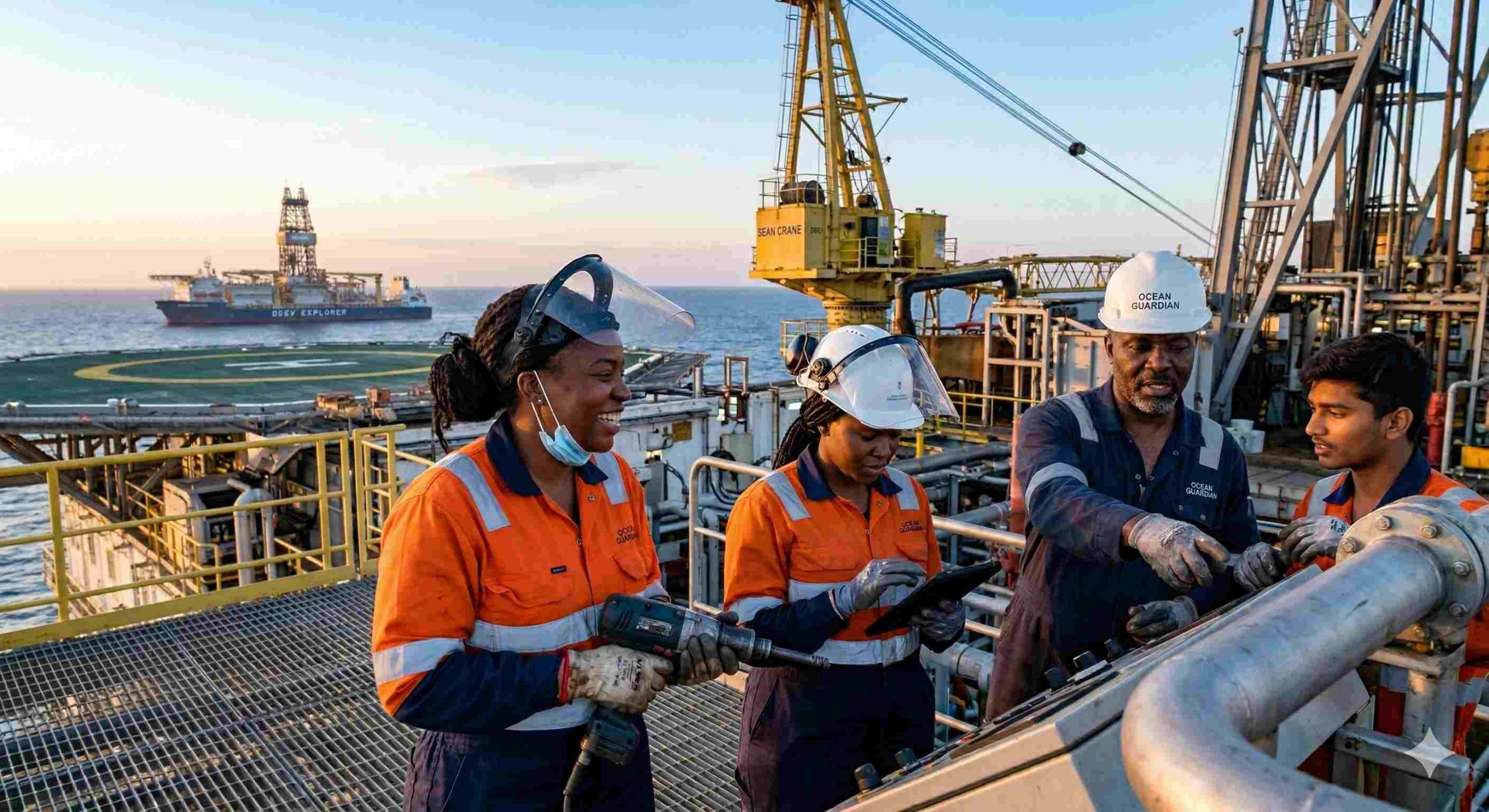
The African private sector is raising the alarm over Frontier Energy Network’s policies that systematically exclude African professionals and service providers from meaningful roles in major energy forums. Such exclusionary practices threaten decades of progress in African energy development, including local capacity building, knowledge transfer and economic participation.
Frontier’s approach, framed as a global platform for Africa, is in practice a system that extracts value from the continent while denying Africans the opportunities to lead, participate and benefit. Marginalizing the very people who build, operate and sustain energy projects is not partnership – it is structural exclusion masquerading as opportunity.
African businesses – particularly in Nigeria and Senegal, which drive regional growth – must reassess their participation in platforms that perpetuate these policies. African capital, sponsorship and attendance cannot continue to legitimize forums where local stakeholders are systematically sidelined. Market access must be earned and mutually respected.
Mozambique and Ghana have already set a precedent. In March 2026, Mozambique’s oil and gas industry withdrew from the Africa Energies Summit in London, citing repeated failures by the organizers to improve diversity, transparency and inclusion of Black professionals in leadership, contracting and deal-making roles. In early April 2026, the Ghana Energy Chamber followed suit, formally pulling out of the same summit over discriminatory hiring practices that sidelined African professionals, executives and service providers. These coordinated actions send a clear message: Africa will no longer support platforms that deny its talent the right to lead, contribute and benefit.
The gold standard for companies to thrive in Africa is robust collaboration with international partners while building local capacity – exemplified by Senegal-based energy services company Alliance Energy. Alliance has advanced African expertise in the sector, notably supporting the launch of the National Institute for Petroleum and Gas in Senegal to train young professionals for leadership roles, while backing diverse energy initiatives across power, solar, gas and wind that strengthen Senegal’s position as a regional energy hub.
This success demonstrates that African companies flourish when local talent, leadership, contracting and workforce development are central to execution, alongside strategic partnerships with the US, UK and Europe. Any entity attempting to operate in Africa without a commitment to hiring or contracting local professionals threatens not only the ecosystem that nurtured companies like Alliance Energy but also the continent’s broader ambition to grow regional capability, ownership and sustainable energy development.
“The message is simple,” says Dr. Ndjuga Dieng, Managing Director of Alliance Energy. “Africa will no longer sit quietly while its talent is excluded from opportunities on its own continent. Nigeria, Senegal and all African nations must follow the lead of Ghana and Mozambique by standing against platforms that discriminate. Protect your people, your companies and your energy future. Inclusion is not optional – it is the foundation of growth.”
African energy markets have historically thrived on collaboration, both within the continent and with international partners. Events such as the Offshore Technology Conference (OTC) and the Invest in African Energy (IAE) Forum exemplify this model, integrating African executives, policymakers and service providers into core programming, deal-making and knowledge transfer.
African stakeholders must prioritize platforms that respect local content, equitable hiring and fair contracting. Strategic withdrawal from exclusionary events is not isolationism – it is a stand for principle, economic logic, and the future of Africa’s energy sector. The continent defines its own trajectory and will engage only with partners that recognize African talent as integral, not optional, to the industry’s future.


