
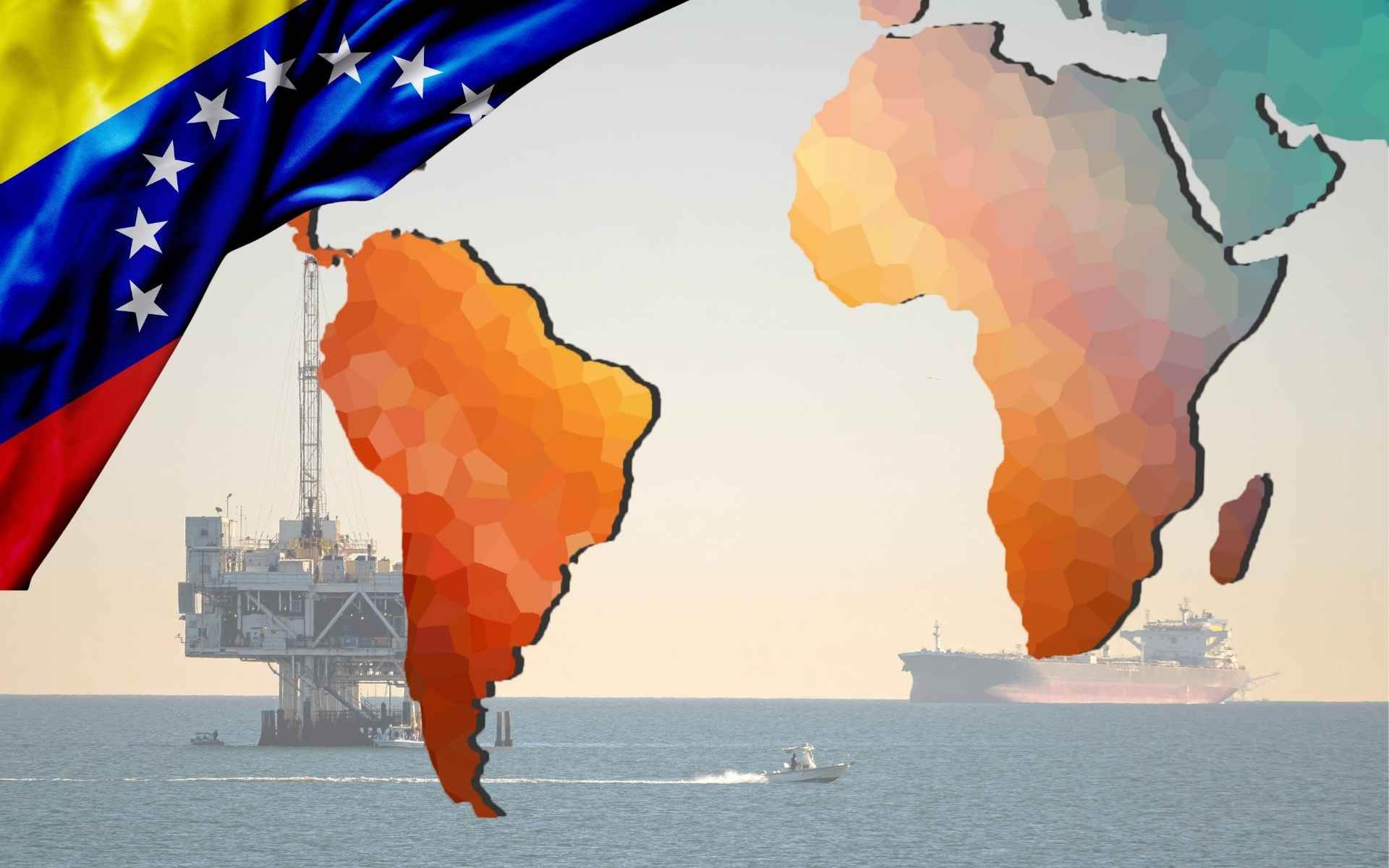
Energy financing is becoming more fragmented and increasingly regional, with producers and institutions across the Global South building parallel channels to fund oil and gas development. The shift is being shaped by three key forces: Venezuela’s gradual reopening to foreign operators and capital, coordinated financing initiatives led by the African Petroleum Producers’ Organization (APPO), and the operational rollout of the Africa Energy Bank (AEB), designed to reduce dependence on Western commercial lenders and export credit agencies.
In Venezuela, upstream activity has continued to reopen to foreign participation through a combination of U.S. licensing arrangements and renegotiated joint venture structures between PDVSA and international operators, aimed at stabilizing output and improving project execution in key producing basins. This has included renewed operational expansion by Chevron in the Orinoco Belt, where joint ventures remain central to national production recovery after multi-year declines. More recent arrangements have also involved adjustments to asset positions and operating areas within existing licenses, particularly in heavy oil projects that require complex upgrading and blending processes to maintain export quality and continuity of supply.
Across Africa, APPO has continued to advance its mandate to strengthen cooperation among member states and promote greater coordination in the development and financing of the continent’s hydrocarbon sector. This includes efforts to support regional energy integration, harmonize approaches to upstream policy and investment, improve collaboration among national oil companies on shared infrastructure priorities, and mobilize capital for energy projects across member countries, reflecting a broader push to reduce fragmentation in project development and improve access to financing for upstream and midstream developments.
One of the clearest institutional expressions of this shift is the AEB, developed by APPO in partnership with Afreximbank. Headquartered in Abuja, the bank is designed to provide upstream and midstream financing outside traditional Western capital channels, with a mandate explicitly aligned to supporting projects constrained by ESG-related lending restrictions from European and U.S. institutions, particularly in oil-dependent economies seeking to monetize existing reserves.
“For decades, major oil and gas developments in the Global South have been structured around external financing decisions and external risk appetites. What is changing now is that producing countries are building the tools, institutions and partnerships to take a far greater role in how capital is mobilized and deployed,” said NJ Ayuk, Executive Chairman of the African Energy Chamber.
In Nigeria, one of the clearest examples of evolving South–South-linked financing dynamics has emerged through the restructuring of upstream ownership following a wave of international oil company divestments. The 2025 completion of Shell’s onshore and shallow-water asset sale to the Renaissance Africa Energy consortium marked a significant shift toward indigenous operatorship of producing fields, with financing supported by a combination of African development finance institutions, including Afreximbank, alongside regional banking partners and commercial lenders structured around production continuity in the Niger Delta.
Such developments point to a broader restructuring of how energy projects in emerging markets are financed and brought to market. In Africa, that shift is being institutionalized through mechanisms like the AEB, as governments and regional institutions take a more direct role in keeping upstream investment moving. In Venezuela, the adjustment is happening through a different route, with production recovery tied to licensing arrangements and renegotiated joint ventures that keep international operators in play under constrained financial conditions. Different structures, different markets – but the direction is similar, with producers reshaping how capital enters their energy sectors in response to the same global financing pressures.
