
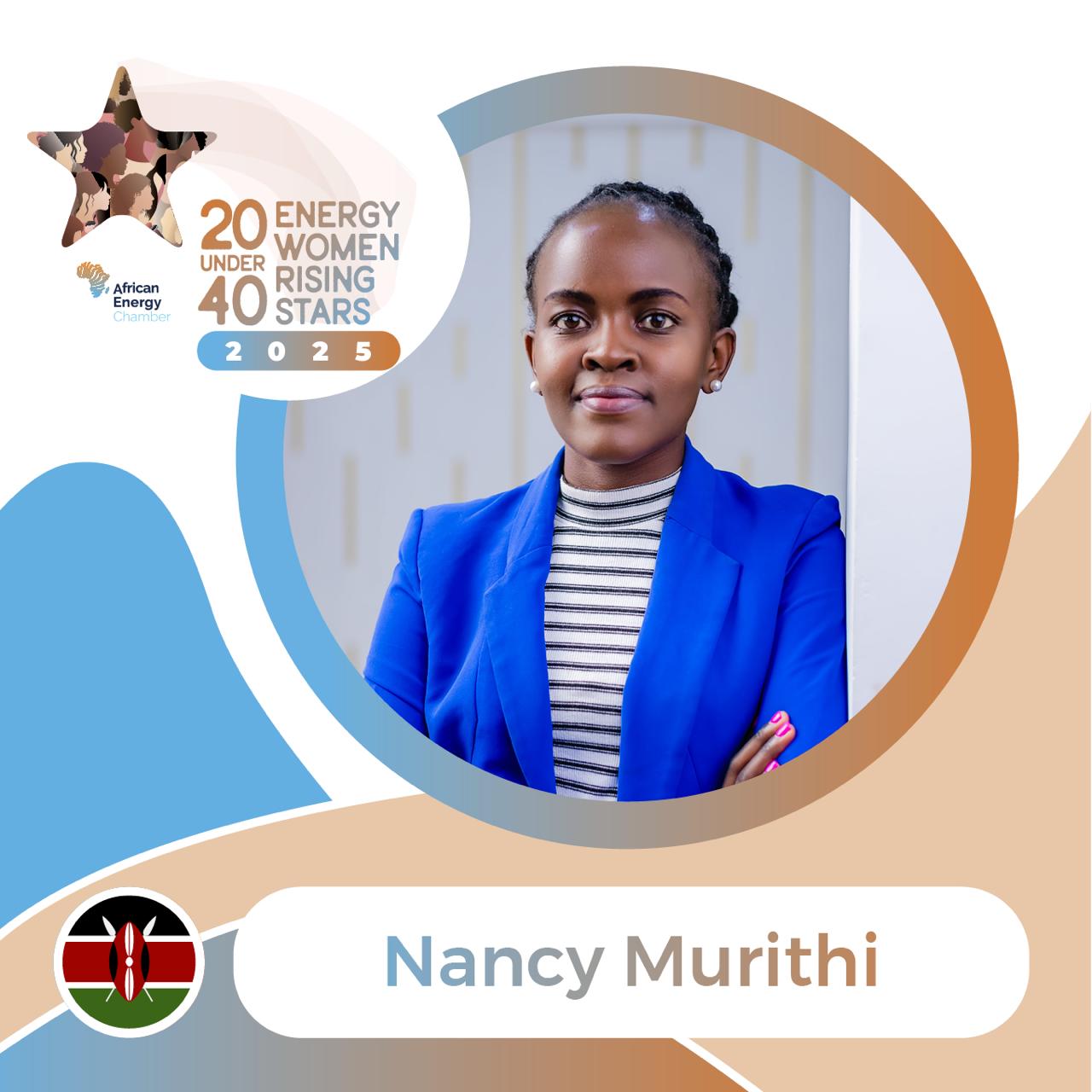
While Africa is faced with the challenge of enhancing energy access, the continent also strives to reduce emissions in alignment with climate goals. Stakeholders such as Nancy Murithi, Green Growth & Climate Change Officer at Kenya Association of Manufacturers, stand at the intersection of these goals. Murithi is recognized as a 20 Under 40 Energy Women Rising Star for her work in advancing energy efficiency and climate policy.
Please provide a brief overview of your journey in the energy industry that led to your current role? What are some key achievements or milestones that you are particularly proud of?
I began my career in energy after earning a degree in Electrical and Electronics Engineering from Moi University, later complementing it with an MSc in Energy Management. My journey has spanned technical roles at Icopower, where I supported over 50 companies to achieve 10–20% energy savings, to my current role as Green Growth and Climate Change Officer at the Kenya Association of Manufacturers. Here, I lead and contribute to sustainability programs, policy advocacy, and technical support for the annual Energy Management Awards. I am proud to have been recognized as Young Energy Professional of the Year (2024) and Professional Energy Woman of the Year (2021), and I also serve on national technical committees shaping Kenya’s climate and energy policies.
The energy industry is known for its complexities. What were some significant challenges you faced along the way, and how did you navigate through them to achieve your goals?
Working in a male-dominated field has meant overcoming bias and proving my technical expertise. I have addressed this by continuously sharpening my skills and knowledge — earning certifications such as Certified Energy Manager, Certified Carbon Auditing Professional, Diploma in Renewable Energy, and Green Transition Certification – while demonstrating impact through projects. Balancing technical rigor with stakeholder engagement was another challenge, which I navigated by building strong partnerships to ensure collective progress on sustainability goals.
What advice would you give to young women aspiring to excel in the energy sector? Are there any specific strategies or mindsets that helped you overcome obstacles and reach your current position?
Hone your craft. In the energy sector, competence speaks louder than anything else. Build strong technical foundations – through certifications, advanced degrees, or hands-on projects. When your expertise is unquestionable, you earn credibility, influence, and a seat at the table. Say ‘yes’ more often: to new challenges and opportunities. Growth often comes from stepping into unfamiliar spaces. By saying yes to stretch assignments, training, or leadership roles, you accelerate learning, visibility, and confidence.
Seek networks and mentors: no one thrives in isolation. Surround yourself with peers, mentors, and professional associations. Strong networks open doors, provide resilience, and ensure you lift others as you rise. Above all, persistence and passion for sustainability turn obstacles into stepping stones. Energy transitions are complex and setbacks inevitable, but a deep commitment to building a sustainable future keeps you moving forward. With persistence and purpose, challenges become part of the journey rather than barriers.
A career in energy can be demanding. Could you describe a typical day in your life?
No two days are alike, but most balance technical and strategic work. I might start by providing technical support to industries on carbon reduction, then move to stakeholder meetings on energy efficiency programs, contribute to policy proposals, and later analyze emerging energy trends. I also dedicate time to mentoring and training experts in energy management and sustainability. Each day is anchored in driving both practical and policy-level progress toward a greener industrial sector.
Looking ahead, what changes or advancements do you hope to see in the energy sector? How do you envision your role in shaping that future?
I hope to see greater renewable energy integration, stronger climate-smart policies, the decarbonization of hard-to-abate industries, and wider adoption of circular economy practices in Africa’s industries. My role will be to continue bridging technical expertise with policy advocacy, supporting manufacturers in their transition to low-carbon growth, while inspiring and mentoring the next generation of women leaders in energy.
