
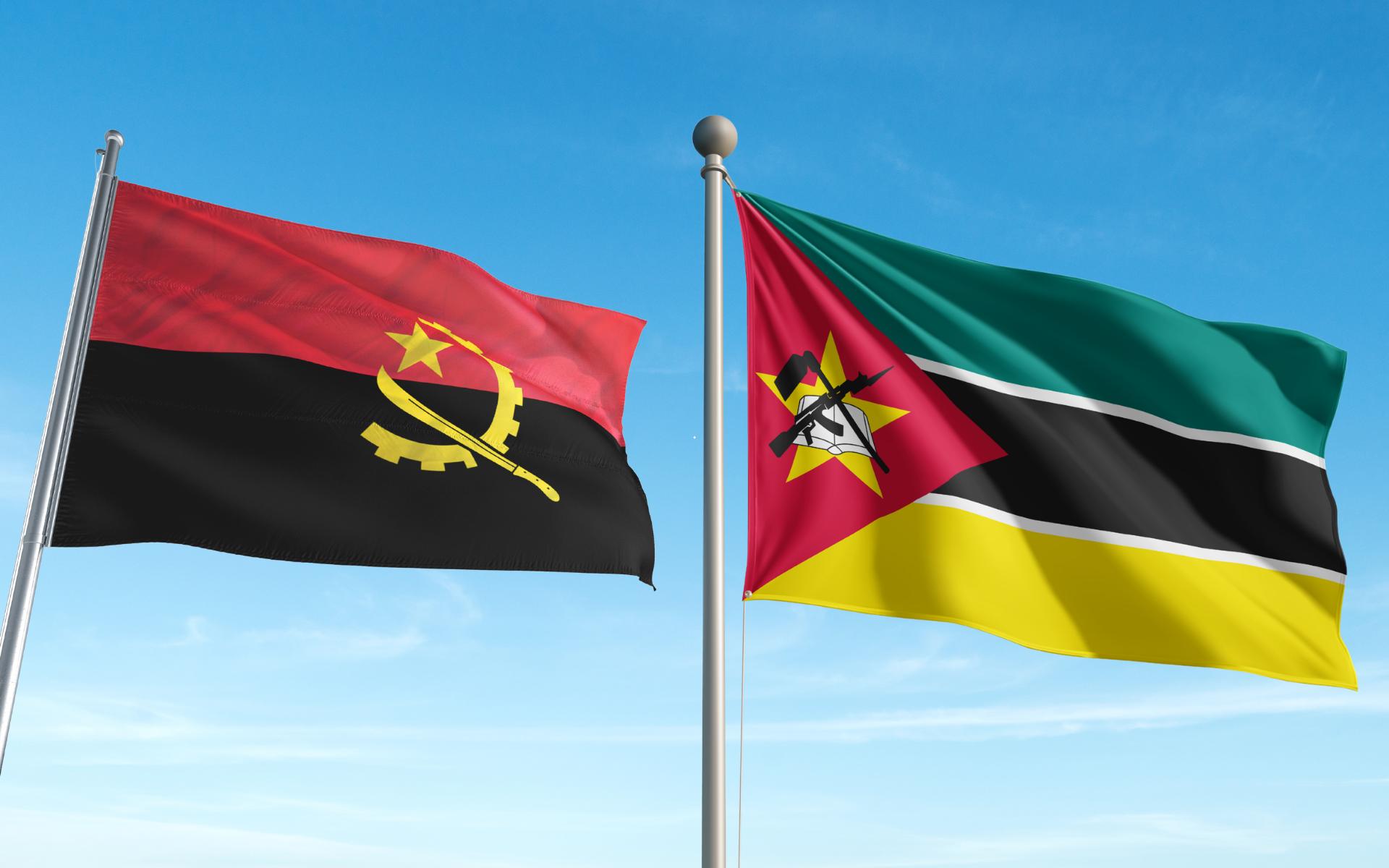
Mozambique possesses one of Africa’s largest natural gas resource bases, with an estimated 100–150 trillion cubic feet (tcf) underpinning a new generation of LNG megaprojects. Following the resumption of construction at Mozambique LNG, the approval of Coral Norte FLNG and continued progress at Rovuma LNG, the country is well positioned to become one of the world’s premier LNG exporters. As development accelerates, maximizing the sector’s long-term economic impact will depend not only on resource potential, but also on creating a competitive investment environment.
In Crude Oil: Power, Turnaround and Transformation in Angola, NJ Ayuk, Executive Chairman of the African Energy Chamber, examines how Angola strengthened investor confidence through regulatory reform and institutional restructuring. The country’s approach to gas sector reform demonstrates how dedicated commercialization policies, regulatory certainty and institutional coordination can maximize the long-term value of world-class gas resources – a lesson with clear relevance for Mozambique as its LNG industry expands.
Under efforts to diversify its industry beyond oil, Angola enacted a series of gas-focused policies. Introduced in 2018, the Gas Monetization Law opened prospecting, development, production and sale of both associated and non-associated gas to investment for the first time. The Gas Master Plan took regulatory certainty one step further, offering a comprehensive blueprint for investing in the country’s gas value chain. In tandem with gas-specific incentives added to the Petroleum Activities Law, these policies signaled a major pivot in Angola’s gas strategy, creating clear investment pathways that have already yielded results.
In 2025, the country commissioned its first non-associated gas project – led by the New Gas Consortium – and made its first dedicated gas discovery at the Gajajeira well at Block 1/14. These developments marked Angola’s transition from legislation to producing non-associated gas in just seven years, underscoring the significance of market-focused policy. For Mozambique, Angola’s experience demonstrates that unlocking the full value of world-class gas resources will depend not only on LNG exports, but also on establishing the policy and regulatory frameworks needed to support long-term domestic investment and gas monetization.
Lessons from Angola’s oil reforms could also support Mozambique’s broader energy strategy. In 2019, the country introduced a multi-year licensing strategy, offering block opportunities on an annual basis. The six-year program targeted 60 new concessions, with 40 blocks awarded to date.
Angola also modernized its licensing framework by introducing a permanent offer system that allows companies to negotiate available acreage outside traditional bid rounds, while implementing fiscal incentives for frontier exploration, mature field redevelopment and gas development.
These measures have helped attract companies including Shell, Petrobras and Oando into new exploration opportunities. Mozambique, by contrast, continues to rely largely on periodic licensing rounds despite prospective acreage in the Angoche and Zambezi basins. More flexible licensing mechanisms could help sustain exploration momentum beyond its flagship LNG developments, generating increased investor certainty while maintaining capital momentum beyond the current pipeline of upstream projects.
“Geology alone does not attract investment. Investors commit capital where regulation is predictable, contracts are respected, and governments compete for long-term partnerships. Mozambique possesses the resources to become a global LNG powerhouse. Angola’s experience demonstrates that strong institutions, predictable regulation and targeted reform can help ensure those resources deliver lasting economic growth,” says Ayuk.
