
Venezuela is staging a deliberate return to hydrocarbon production and development as industry reforms create new opportunities for regional and international energy companies seeking high returns in one of the world’s largest oil and gas provinces.
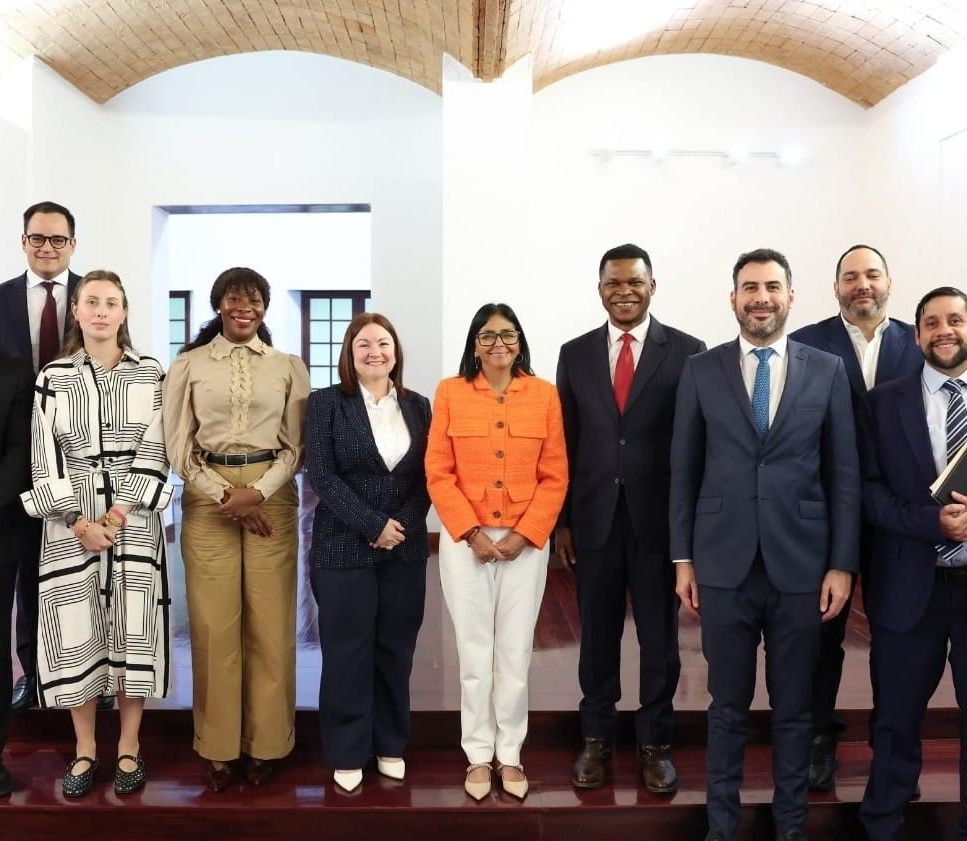
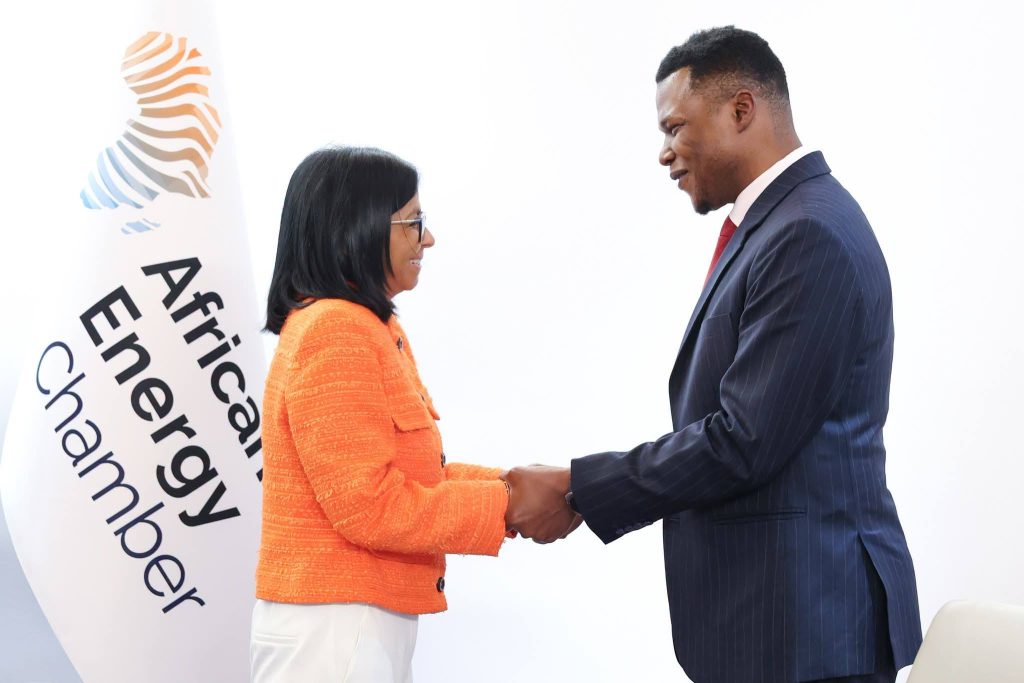
Meetings between Acting President Delcy Rodríguez and the African Energy Chamber (AEC) this week reinforced a shared commitment to accelerating investment while strengthening strategic partnerships and advancing the next phase of Venezuela’s energy reopening.
The AEC delegation, led by Executive Chairman NJ Ayuk and Senior Vice President Verner Ayukegba, met with President Rodríguez alongside Minister of Hydrocarbons Paula Henao, PDVSA President Héctor Obregón, Vice Minister of Hydrocarbon Policy Eduardo Ramírez and other senior officials.

Discussions focused on expanding international cooperation, attracting upstream investment, accelerating project development and strengthening technical collaboration across the oil and gas value chain. The parties also explored opportunities to deepen cooperation in education and skills development, support cleaner hydrocarbon production through gas flaring reduction initiatives and expand access to liquefied petroleum gas to better human lives as a means of addressing energy poverty, improving public health and enhancing quality of life.
A key outcome of the discussions was the AEC’s recognition of Venezuela’s recent energy sector reforms, which the Chamber described as a significant step toward creating a more competitive and investment-friendly operating environment.
“Venezuela possesses one of the world’s greatest hydrocarbon resource bases, but resources alone do not create prosperity. What creates prosperity is a shared commitment between governments and investors to develop those resources through stable policies, long-term partnerships and sustained investment,” said Ayuk. “President Rodríguez is sending a strong signal to international investors: Venezuela is open for investment, committed to collaboration and ready to usher in a new era of hydrocarbon development.”
He added that the reforms implemented by the Venezuelan government demonstrate a clear commitment to creating an enabling environment for investment.
“Combined with the country’s extraordinary resource base, they have the potential to position Venezuela as one of the most attractive oil and gas investment destinations in the Southern Hemisphere while ensuring that resource development delivers long-term economic opportunities and tangible benefits for Venezuelan citizens,” Ayuk said.
The visit comes at a critical time for the country’s energy sector. In July 2026, Venezuela published the long-awaited Regulations of the Organic Hydrocarbons Law, providing one of the clearest frameworks yet for governing the next phase of oil and gas development. The regulations modernize the country’s upstream framework while offering greater transparency on how projects will be structured, evaluated and managed, supporting a new wave of investment as Venezuela works to rebuild production.
The reforms establish a clearer pathway for attracting investment, revitalizing production and repositioning Venezuela as a major global hydrocarbon supplier. They build on a series of milestones achieved in 2026 as international operators return to the market and exports continue their recovery. Export volumes have reached 1.25 million barrels per day, the highest level in years, while companies including Chevron, ExxonMobil, ConocoPhillips, Shell and bp continue expanding their presence in the country.
The AEC visit reinforced Venezuela’s commitment to sustaining this momentum. Industry analysis estimates that the country will require approximately $183 billion in upstream and supporting infrastructure investment between 2026 and 2040 to achieve its production target of 3 million barrels per day, including roughly $53 billion to sustain existing production. Brownfield redevelopment is expected to provide the quickest gains, with an estimated 300,000-350,000 barrels per day recoverable through relatively low-cost interventions. Longer-term production growth will depend on greenfield investment, with annual capital expenditure of $8-9 billion required through 2040 to support production of 2 million barrels per day by 2030 and 3 million barrels per day by 2040.

“Our meetings in Caracas demonstrated a clear determination from Venezuela’s leadership to move the sector forward, and the AEC stands ready to support that journey by connecting the country with investors, operators and strategic partners capable of delivering the capital, technology and expertise needed for long-term growth,” Ayuk said.
The meetings build on the memorandum of understanding signed between the AEC, PDVSA and Venezuela’s Ministry of Hydrocarbons in February 2026 to strengthen cooperation on upstream development, refining, investment promotion and technical capacity building. Together, these initiatives reflect a shared commitment to unlocking Venezuela’s hydrocarbon potential while ensuring the country’s energy resources contribute to sustainable economic growth, improved energy access and long-term national development.
