
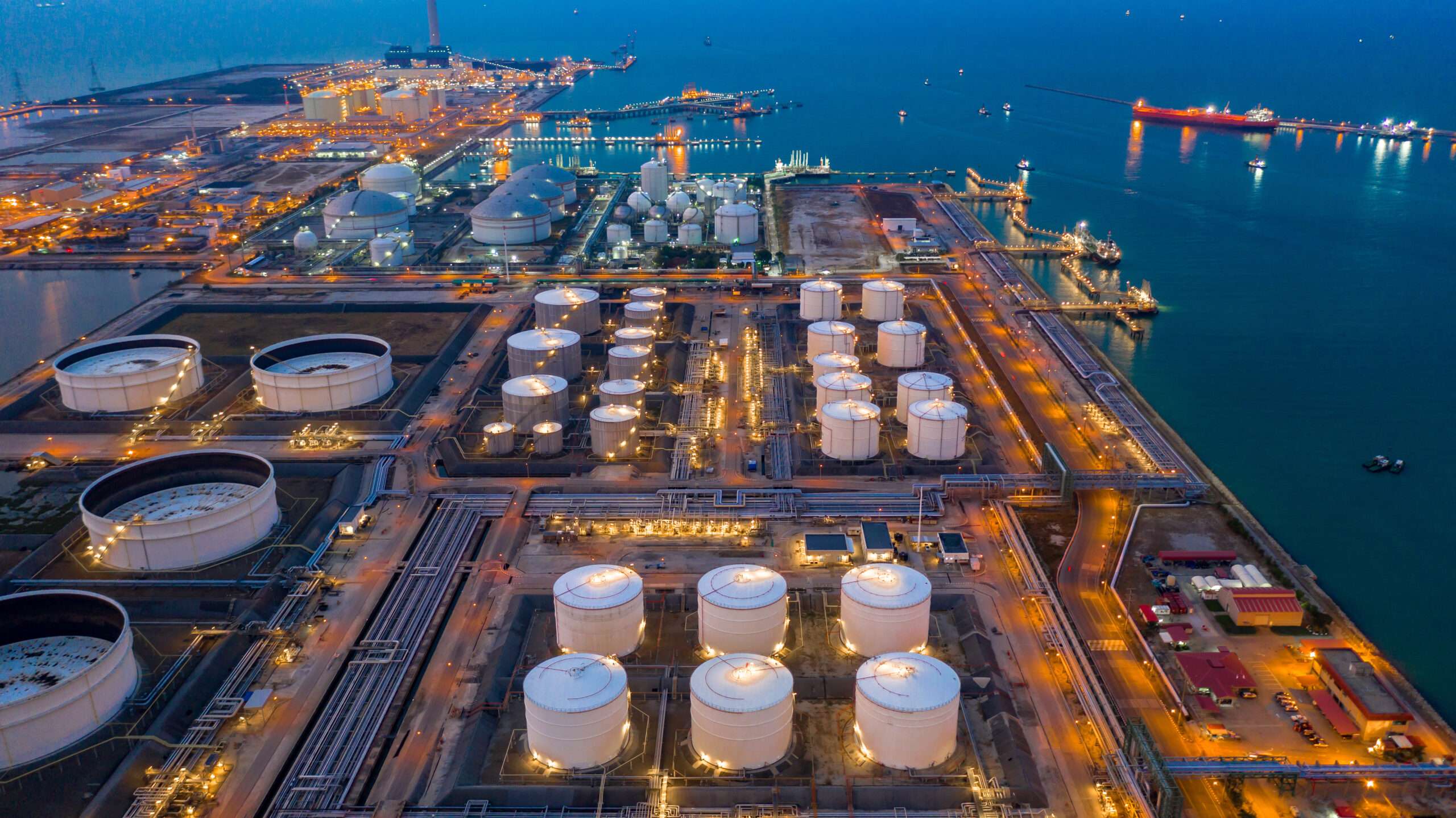
The recent escalation of geopolitical tensions in the Middle East, including disruptions linked to the Iran conflict, has once again exposed a structural weakness in global energy markets: fragile and highly concentrated fuel supply chains. For inland African economies that rely heavily on imported refined products routed through coastal terminals, these shocks translate rapidly into price volatility, constrained supply and transport disruptions. The conclusion is increasingly unavoidable – energy security in Africa is no longer a national challenge, but a regional one.
Zambia illustrates both the urgency and opportunity of this shift. The TAZAMA Pipeline – stretching 1,710 km from Tanzania’s coast to the Copperbelt – was built to secure landlocked fuel supply and reduce dependence on external routes. While it remains a critical energy artery, ageing infrastructure and years of underinvestment have constrained its reliability and throughput, reinforcing the need for parallel, modernized systems.
In response, Zambia is advancing a new generation of energy infrastructure. This includes the TZMPP refined products pipeline, designed with a projected capacity of around 7 million metric tons to strengthen distribution to inland depots such as Ndola, alongside the NZPGP natural gas pipeline, expected to transport approximately 350 million cubic feet per day to support industrial demand and power generation. These projects are designed to complement – not replace – the legacy TAZAMA system, marking a decisive shift toward diversified corridors and regional interconnection as the foundation of energy resilience rather than reliance on a single route.
Zimbabwe is pursuing a similarly pragmatic approach anchored in corridor diversification and port-linked logistics. The country relies heavily on fuel imports through the Beira corridor in Mozambique, where refined products move inland via a combination of pipeline, rail and road infrastructure. Central to this system is the CPMZ-Feruka pipeline, which connects Beira’s coastal terminal to Mutare, supported by strategic storage depots along the route. Zimbabwe is also expanding inland storage capacity and exploring extensions of regional pipeline connectivity that could integrate with wider Southern African corridors, including Zambia-facing systems – reducing exposure to single-route dependency and border inefficiencies.
In West Africa, Burkina Faso offers a strong example of regional fuel interdependence. SONABHY is closely integrated into Ivory Coast’s refining and logistics ecosystem, with the SIR refinery in Abidjan and associated coastal infrastructure serving as a key supply gateway for refined products into Burkina Faso through established transport corridors. Complementing this, Ghana’s bulk storage network – through BOST depots and pipeline-linked terminals – has increasingly functioned as a regional balancing mechanism, enabling cross-border redistribution during periods of supply stress or price volatility.
Across Southern Africa, similar dynamics are taking shape around Namibia’s Walvis Bay, which is increasingly positioning itself as a strategic fuel storage and distribution hub. Large-scale storage developments in the Walvis Basin, supported by regional and private-sector participation, are designed to serve inland markets including Zambia, Zimbabwe and Botswana – offering a critical buffer against supply chain disruptions and overreliance on single import corridors.
“Africa’s energy future will not be secured in isolation – it will be built through integration, infrastructure and intra-African cooperation that connects producers, refiners, and consumers across borders,” said NJ Ayuk, Executive Chairman of the African Energy Chamber. “A consistent pattern is emerging: storage capacity is becoming just as strategically important as pipelines themselves. Inland fuel resilience depends not only on moving products inland, but on ensuring buffer capacity that can absorb shocks from global disruptions.”
Ultimately, the volatility underscored by conflicts far beyond Africa reinforces a domestic imperative. Regional pipeline networks, shared storage systems and coordinated coastal–inland corridors are no longer optional infrastructure – they are the backbone of economic stability, industrial growth and energy sovereignty.
As the African Continental Free Trade Area deepens integration across markets, the defining question is no longer whether Africa needs energy cooperation, but how quickly it can move from fragmented national systems to fully interconnected fuel ecosystems.
