
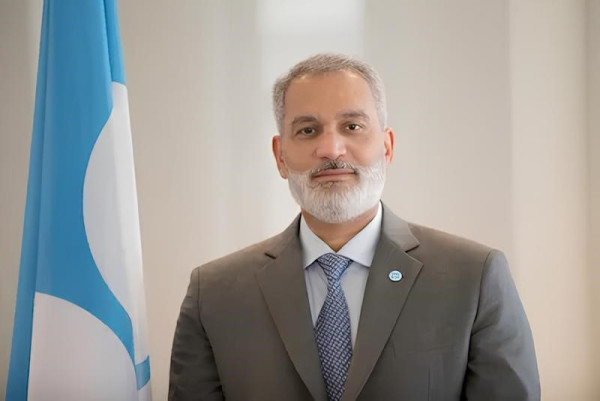
At COP31 in Antalya, Turkey, OPEC Secretary General Haitham Al Ghais delivered a decisive call for policy realism, arguing that global climate strategies must embrace every available energy source rather than pursue an exclusive transition toward electrification.
Addressing the plenary session, Al Ghais challenged narratives that treat energy development as a zero-sum game. “The pillars of energy security are foresight, realism and investment,” he stated. “The core foundation for these pillars is the reality that we are in an age of all energies.”
Electrification Relies on Petroleum
Al Ghais emphasized that expanding global electricity networks cannot succeed without sustained hydrocarbon production. “It is not simply the passing of one energy epoch to another,” he explained. “While electrification is a key part of our energy future, we must remember that this future is also heavily dependent on oil products.”
Across OPEC’s broader COP31 briefings, Al Ghais highlighted four material blind spots in pure electrification strategies. Manufacturing renewable hardware, building grid infrastructure and operating global freight supply chains require massive amounts of petroleum-derived plastics, insulation polymers, cables and transport fuels.
“While undoubtedly important, electrification is not the only solution to the world’s climate challenges,” he told delegates, reinforcing OPEC’s stance that climate negotiations must target greenhouse gas emissions rather than mandate one-size-fits-all phase-outs of specific energy sources.
Eradicating Energy Poverty Through Investment
This integrated approach aligns closely with Africa’s development priorities, where roughly 565 million people still lack electricity. Rejecting premature upstream restrictions, OPEC advocates for technological solutions like carbon capture alongside continued oil and gas investment to support industrial growth and underserved communities.
“To eradicate energy poverty once and for all, all energies available will be necessary,” he said. Upholding the UN principle of Common but Differentiated Responsibilities, he urged policymakers to ensure transitions remain inclusive and equitable for developing nations.
“The age of all energies provides an opportunity to grant policies in these realities,” Al Ghais concluded. By prioritizing energy addition over substitution, COP31 negotiators can foster practical frameworks that deliver reliable power, economic opportunity and emissions reductions worldwide.
Supporting Al Ghais’ statement, NJ Ayuk, Executive Chairman, African Energy Chamber noted “Energy security requires realism and investment across an age of all energies, not unmandated roadmaps that restrict Africa’s right to industrialize,” says “To eradicate energy poverty for 565 million Africans, COP31 must embrace every available resource.”
