
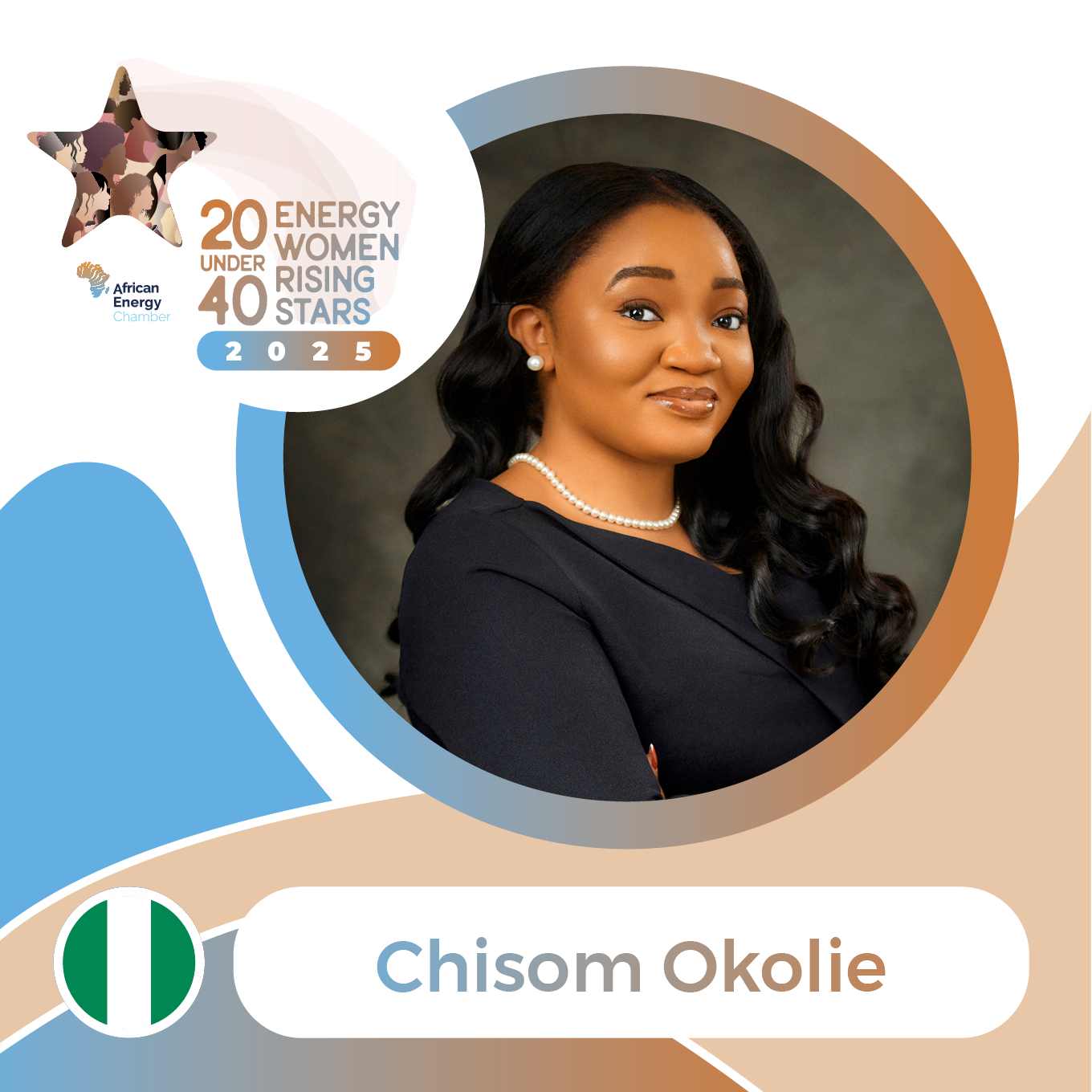
Nigerian lawyer Chisom Okolie advises multinational clients on complex transactions. As a Senior Associate at Udo Udoma & Belo-Osagie, she plays a crucial part in supporting energy projects in the country. Okolie is recognized as a 20 Under 40 Energy Women Rising Star for her work in the legal sector as well as commitment to championing women empowerment and inclusion.
Please provide a brief overview of your journey in the energy industry that led to your current role? What are some key achievements or milestones that you are particularly proud of?
My interest in the energy industry comes from living in a country rich in energy resources yet facing significant power shortages, with an urgent need to bridge the gap. I entered the sector through finance and law, fascinated by how capital and collaboration can drive real change. Since then, I have advised on landmark power projects that have expanded energy access across Nigeria and into other parts of Africa.
My highlight has been driving the coordination of projects from early concept discussions through complex negotiations to successful completion. One defining moment was advising the sponsors of the Aba Independent Power Project, Nigeria’s first fully integrated power facility, which took nearly 20 years from conception to commercialization. From extensive negotiations, leading engagements with varied parties, and securing regulatory approvals, I worked with my team to ensure the project remained on track and aligned with both commercial objectives and regulatory requirements.
Building on that experience, I have since advised on other landmark energy and infrastructure projects, including working on IFC’s first sub-national financing in local currency to Lagos State, aimed at improving clean transport, easing traffic, and cutting carbon emissions. More recently, I have been at the forefront of renewable energy projects, structuring deals that are bankable despite challenges such as currency liquidity, while bridging investor and regulator expectations and localizing transactions to set meaningful precedents for the market.
The energy industry is known for its complexities. What were some significant challenges you faced along the way, and how did you navigate through them to achieve your goals?
The most significant challenges I have faced stem from the dynamic nature of Nigeria’s energy sector. Regulatory frameworks are still evolving, investors are often cautious in unfamiliar markets, and projects can be affected by currency volatility or global energy price fluctuations. Early in my career, I realized that providing legal advice alone was not enough; I needed to adapt my offering within commercial and policy realities.
For instance, I have structured transactions with built-in flexibility to mitigate currency risks while maintaining investor confidence, and designed financing frameworks that balance commercial viability with local realities. Working on pioneer deals have required me to act as a bridge, using my expertise to directly contribute to shaping the legal and regulatory framework. By approaching these complexities with creativity and a solutions-driven mindset, I have helped close projects that are not only successful but also strengthen Nigeria’s energy mix.
What advice would you give to young women aspiring to excel in the energy sector? Are there any specific strategies or mindsets that helped you overcome obstacles and reach your current position?
My advice to young women is to trust the value of your voice and lean on resilience. These two principles have guided my success in the energy sector. Trusting your voice means confidently contributing ideas and being visible, even in spaces that may feel intimidating, and ensuring your perspective is heard. Resilience is essential because the sector is demanding, with complex projects and evolving challenges. Finally, no one succeeds in isolation: seeking guidance from leaders and engaging across disciplines has given me perspective and practical strategies, and I now pay it forward by mentoring younger professionals.
A career in energy can be demanding. Could you describe a typical day in your life?
Being at the forefront of Nigeria’s energy sector means each day brings a unique set of priorities and challenges, often working across time zones and engaging with multiple stakeholders. My mornings typically start with reviewing priorities across transactions and meeting with teams to allocate work, set expectations, and monitor progress. Much of my day involves advising on deals, liaising with clients, supervising teams, attending meetings, drafting and negotiating agreements, and coordinating with regulators to keep projects on track. I also contribute to thought leadership through writing, speaking, and industry forums. Some days require extra focus and extended hours, but most evenings are reserved for hobbies and time with family and friends.
Looking ahead, what changes or advancements do you hope to see in the energy sector? How do you envision your role in shaping that future?
Looking ahead, I hope to see Africa’s energy sector expand rapidly, with greater access, sustainability, and inclusivity. I am optimistic about this potential, given the sector’s growing global attention and investment traction. The transition to clean and renewable sources must balance the immediate need for energy security and economic stability while enabling innovative financing structures. Lawyers with expertise in finance and energy will be central to driving this transformation, as legal and regulatory frameworks often lag market needs and require creative structuring and problem-solving.
