
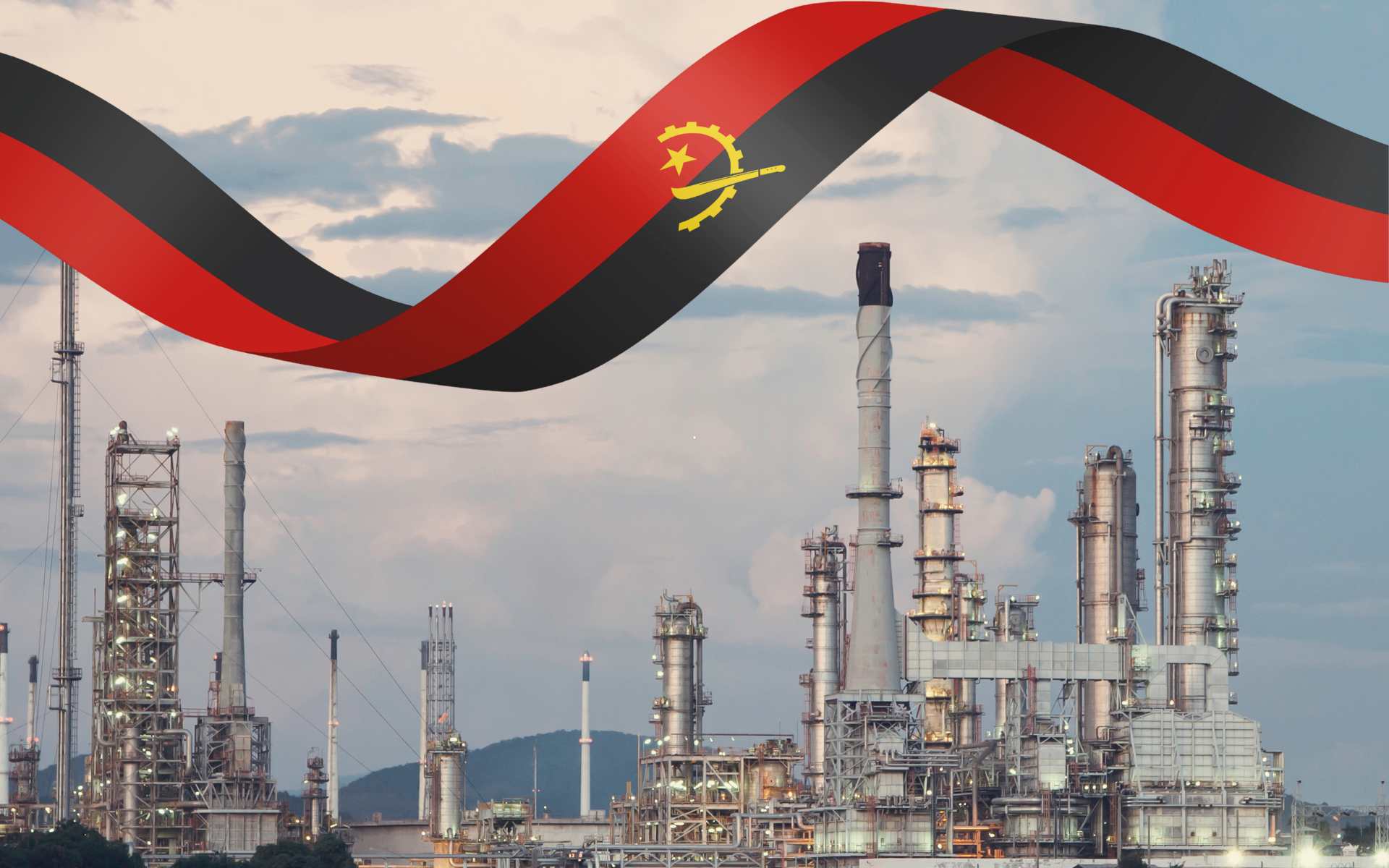
Despite producing more than one million barrels of crude oil per day (bpd), Angola has historically imported nearly 70% of its refined petroleum products. That imbalance is now being reversed through one of Africa’s most ambitious downstream investment programs. Four refinery projects, expanded fuel storage, new export infrastructure and an emerging petrochemicals industry are transforming Angola from a crude exporter into a regional refining hub capable of serving domestic and southern African markets.
This transformation is explored in Crude Oil: Power, Turnaround and Transformation in Angola by NJ Ayuk, Executive Chairman of the African Energy Chamber. The book argues that Angola’s institutional reforms have not only revived upstream investment but have also created the regulatory certainty needed to attract billions of dollars into refining, logistics and downstream infrastructure.
Reform Unlocks Downstream Investment
The foundation for Angola’s downstream expansion was laid through sweeping institutional reforms. The creation of the National Agency for Petroleum, Gas and Biofuels separated regulatory oversight from Sonangol’s commercial operations, improving transparency, accelerating project approvals and strengthening investor confidence. This was complemented by the establishment of the Instituto Regulador dos Derivados do Petróleos (IRDP) – a dedicated regulatory body for the downstream sector. Combined with fiscal reforms and a more competitive investment framework, these changes have created the conditions for long-term downstream capital deployment.
The reforms have also strengthened Sonangol’s ability to operate as a commercially focused energy company rather than a regulator, allowing it to play a leading role in financing strategic downstream projects and partnering with international investors. As a result, refinery developments, storage infrastructure and associated industrial projects are attracting increasing interest from development finance institutions, engineering firms and private capital seeking long-term opportunities in Angola’s growing energy market.
Building a 400,000-bpd Refining Network
Angola is targeting upwards of 400,000 bpd of domestic refining capacity through four strategic projects. The first 30,000-bpd phase of the Cabinda Refinery is already operational and supplies around 10% of national fuel demand, while a second phase will double capacity. Construction continues on the 200,000-bpd Lobito Refinery, which is expected to become one of sub-Saharan Africa’s largest, while the government is restructuring plans for the 100,000-bpd Soyo Refinery and expanding capacity at the operational Luanda Refinery.
Beyond improving domestic fuel security, the refinery program is expected to reduce Angola’s import bill, retain more value within the local economy and create new opportunities across engineering, maintenance, logistics and industrial services. The projects are also expected to stimulate growth in supporting industries, creating a more integrated downstream value chain that extends well beyond fuel production.
Strengthening Regional Trade
Refinery investment is being complemented by major investments in storage, logistics and petrochemicals. Angola plans to expand petroleum storage capacity to 1.26 million cubic meters by 2027, upgrade marine terminals at Cabinda and Lobito, and develop a petrochemical industry using feedstocks from its expanding refinery network.
Combined with the Lobito Corridor, these investments position Angola to supply refined products to high-growth regional markets, including the Democratic Republic of the Congo and Zambia, while strengthening its role as a Central African energy hub.
“Angola’s reforms demonstrate that long-term energy competitiveness depends on building the entire value chain – from production to refining, infrastructure and regional trade,” says Ayuk.
With refinery capacity expanding and supporting infrastructure taking shape, continued investment will determine how quickly Angola completes its transition from a major crude exporter into one of Africa’s leading downstream energy markets.
