
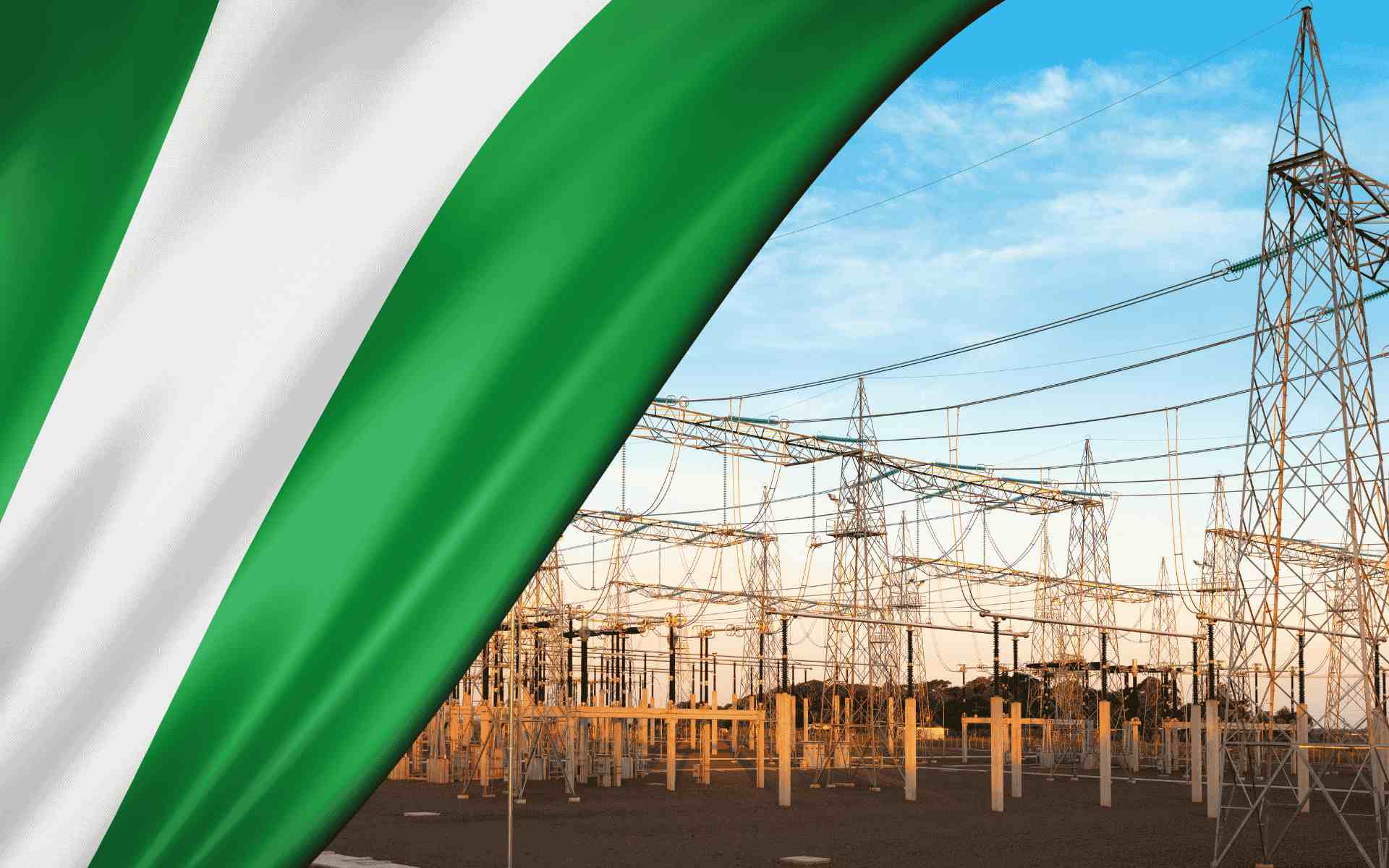
Nigeria’s power sector is undergoing a structural reset, according to Nigeria’s Energy Sector Reforms 2023–2026: A Three-Year Review, published by the Office of the Special Adviser to the President on Energy and spearheaded by Special Advisor Olu Verheijen. Aimed at transforming the sector into a bankable, investable electricity market capable of supporting industrial growth at scale, the reform agenda focuses on restoring financial credibility, improving operational efficiency and aligning tariffs with service delivery to unlock private capital.
At its core, the strategy tackles long-standing constraints – legacy debt, weak metering, inefficiency subsidiaries and high losses across the value chain. The objective is clear: reduce risk, rebuild confidence and create a commercially viable electricity market that can attract sustained investment.
“Nigeria’s power sector reforms mark a shift toward a structured, commercially viable electricity market,” says NJ Ayuk, Executive Chairman, African Energy Chamber. “Through debt resolution, metering expansion, subsidy reform and improved discipline, the foundations for investment are being rebuilt.”
Restoring Financial Stability Through Debt Resolution
A central pillar of the reform is the Presidential Power Sector Financial Reforms Program, designed to resolve legacy liabilities across the sector. The Federal Executive Council approved a ₦4 trillion bond program to settle verified debts owed to generation companies and gas companies from 2015 to March 2025.
Progress has been substantial, with around ₦3.48 trillion having been concluded as a negotiated full and final settlement. Eight generation companies, covering 17 power plants, have signed agreements worth ₦2.3 trillion, improving balance sheet certainty. As a result, investor response has been strong, with the first tranche – ₦501 billion in Series 1 bonds – being fully subscribed, signaling renewed confidence in government-backed instruments. Proceeds are being disbursed, improving liquidity across the value chain.
Engagement continues with 14 additional generation companies, with a second tranche of approximately ₦730 billion planned for 2026. Clearing these liabilities is critical to lowering financing costs and restoring payment credibility.
Scaling Metering to Reduce Losses
The President Metering Initiative, launched in 2023, targets a metering gap of roughly 7 million customers. The program aims to deploy over 2.5 million meters and 110,000 distribution transformer meters. To accelerate rollout, an additional $700 million has been secured to support the deployment of five million smart meters nationwide.
The impact has been immediate, with metering eliminating estimated billing, reducing theft and improving collections. It has also strengthened cash flow across distribution companies and enabled more efficient dispatch by improving payment certainty. For consumers and businesses, expanded metering improves transparency and reduces reliance on diesel self-generation, lowering overall energy costs.
Reforming Subsidies for Targeted Support
Nigeria is restructuring its electricity subsidy framework to improve efficiency and equity. Blanket subsidies have historically benefitted higher-consuming users while placing pressure on public finances. The new approach targets support toward low-income and vulnerable households. Lifeline protections, including subsidized access for the first 50 kWh of consumption, ensure affordability for essential use.
Subsidies are also becoming more transparent, with support increasingly visible on bills. As a result, around 40% of subsidy benefits now reach vulnerable households. This shift improves fiscal sustainability while freeing resources for investment in healthcare, education and infrastructure.
Strengthening Market Discipline
Reforms are introducing stronger commercial discipline across the electricity market. tariffs are increasingly linked to service quality, particularly hours of supply, ensuring pricing reflects performance. Customers are being moved into service bands based on reliability, while electricity distribution companies are held accountable for metering, loss reduction, collections and customer service.
This framework is essential for investment. predictable revenue, enforceable obligations and reduced risks are key requirements for private capital. By improving these fundamentals, the sector is becoming more bankable. The long-term goal is to crowd in investment across generation, transmission and distribution.
Expanding Supply and Supporting Growth
Nigeria has added approximately 980 MW of generation capacity – about 7% of its 14 GW installed base. This includes 700 MW from Zengeru, 240 MW from Afam III and 40 MW from Kashimbilla.
Beyond capacity additions, the strategy focuses on diversifying the energy mix across gas, hydro, solar and storage to improve reliability and affordability. Reforms are also targeting high-demand economic corridors where reliable electricity can unlock industrial growth, SME expansion and job creation.
As financial stability improves, investment in new infrastructure is expected to accelerate, reinforcing a cycle of improved supply and economic productivity.
“Early results – strong bond market participation, improved liquidity and faster metering rollout – indicate rising confidence,” Ayuk added. “The trajectory is clear: a more reliable, investible power sector positioned to support long-term economic growth.”
