
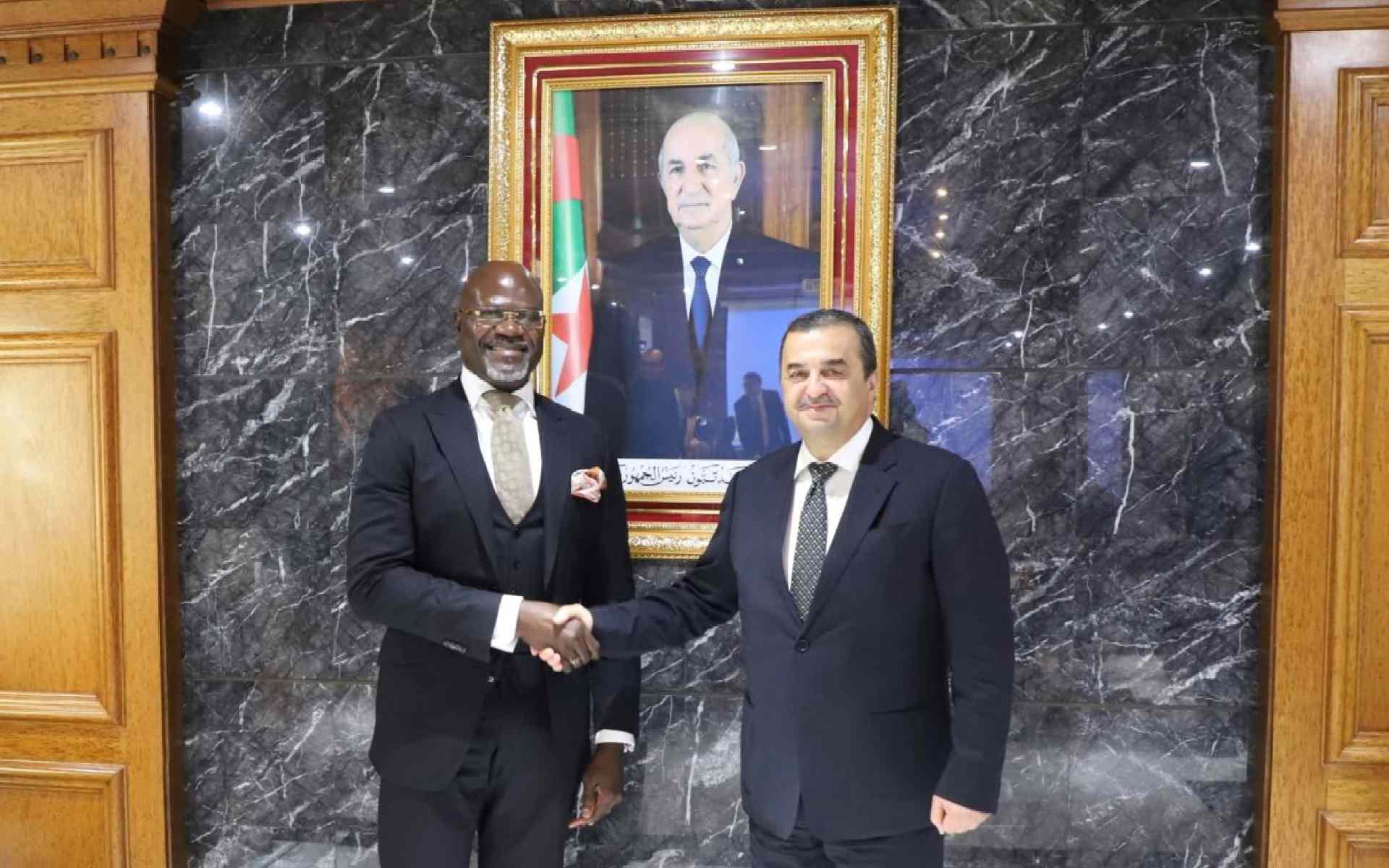
A new roadmap for Africa’s downstream oil sector is taking shape following high-level discussions in Algeria on June 7. Algerian Minister of Hydrocarbons Mohamed Arkab hosted Anibor Kragha, Executive Secretary of the African Refiners and Distributors Association (ARDA). The talks focused on transforming the continent’s refining, petrochemicals and LPG infrastructure networks, creating new pathways for continental downstream expansion.
The African Energy Chamber (AEC) – as the voice of the African energy sector – strongly supports this collaborative milestone between ARDA and Algeria. The Chamber views the engagement as a vital step toward achieving continental energy security and reducing dependence on foreign product imports. By leveraging Algeria’s extensive technical expertise, the AEC believe Africa can rapidly accelerate its downstream integration goals.
The ministerial meetings brought together executive leadership from Algeria’s state-backed energy enterprises, including Sonatrach and Naftal. Discussions centered on creating unified regulatory and legal frameworks to attract regional investments. Both parties emphasized industrial safety, environmental protection and evaluating global market trends to shield vulnerable African economies from external shocks.
During the meetings, Minister Arkab stressed that Africa must transition from a traditional rent-based export model toward integrated development. This strategy relies on processing raw natural resources locally to build resilient national and regional value chains. Algeria’s framework showcases how sovereign resource management and public companies can stabilize markets while fostering technology transfers.
For its part, ARDA expressed deep interest in replicating Algeria’s successful downstream infrastructure blueprint across other member states. Kragha highlighted the necessity of strengthening African energy solidarity through coordinated cross-border supply chains. The association aims to utilize advanced processing technologies to support economic development and alleviate regional energy deficits.
This cooperation aligns with Algeria’s massive $7 billion downstream expansion strategy, managed by Sonatrach. This processing initiative serves as a core pillar of the country’s broader $60 billion 2026–2030 Hydrocarbon Development Plan. The strategic goal is to elevate the local hydrocarbon conversion rate from 32% to 50% by 2030.
Algeria’s refining modernization is anchored by six domestic refineries boasting a combined processing capacity of 657,000 barrels per day. Current projects include the Arzew refinery upgrade with Sinopec to double gasoline output to 1.2 million tons annually by mid-2028. Additionally, the Skikda fuel oil cracking project will deliver 1.75 million tons of diesel by January 2029.
The petrochemical sector is also expanding through a multi-billion-dollar manufacturing push targeting core industrial inputs and plastics. Key installations include the 550,000-tons-per-year STEP polypropylene plant and a $1 billion linear alkylbenzene complex in Skikda. Furthermore, a new MTBE plant entered its phased production start-up cycle in early 2026.
In the gas sector, Algeria operates four mega LNG liquefaction complexes and two LPG separation complexes in Arzew and Skikda. This extensive gas infrastructure provides a reliable foundation for expanding continental LPG distribution networks.
To sustain this expansion, Algeria’s 2019 Hydrocarbons Law offers attractive tax provisions and robust investment protections for international oil companies. While Sonatrach relies on foreign engineering partnerships for heavy machinery, it is actively mitigating supply risks. Simultaneously, a parallel $1 billion investment addresses European carbon tariffs by capturing flared gas and piloting green hydrogen.
“These talks between Algeria and ARDA mark a decisive turning point in Africa’s journey toward total energy independence and structural industrialization. By leveraging Algeria’s world-class downstream infrastructure and sovereign expertise, the continent can fully transition from a raw exporter to a self-sufficient powerhouse,” says NJ Ayuk, Executive Chairman, AEC.
