
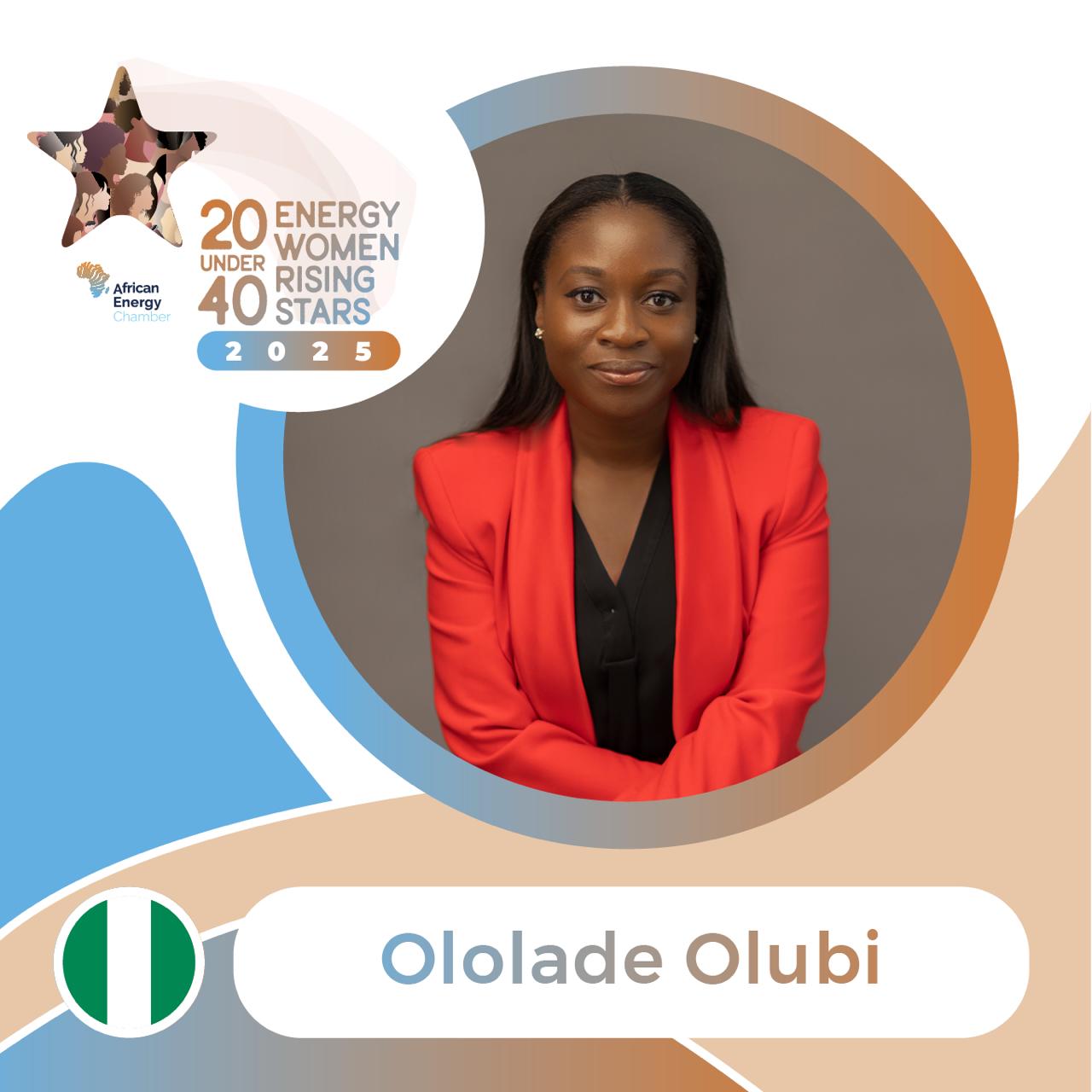
Oando Energy Resources is rapidly emerging as a powerhouse in the oil and gas sector, leading ambitious projects across the exploration and production sector. A key driver of the company’s growth strategy is Ololade Olubi, Division Manager Economics. A petroleum economist with over 12 years’ experience, Ololade leads project economics, strategy and new ventures, shaping upstream development across Africa.
Veuillez donner un bref aperçu de votre parcours dans le secteur de l'énergie qui vous a conduit à votre fonction actuelle. Quelles sont les principales réalisations ou étapes dont vous êtes particulièrement fier ?
I began my career in investment banking, where I naturally gravitated towards oil and gas projects. This early interest guided my transition into the energy industry in 2014, when I joined Oando in the Investor Relations department. My passion for telling the story behind the numbers and uncovering hidden value led me to move into Petroleum Economics, where I grew through the ranks to become Chief Economist. A key milestone was leading the economic and commercial strategy for Oando’s acquisition of Nigerian Agip Oil Company, a landmark deal that doubled our reserves and strengthened our position as a leading indigenous operator. Beyond my corporate achievements, I have been recognized as an industry thought leader, speaking at prominent platforms to advocate for sustainable energy models, strategic partnerships, and a just transition that prioritizes Africa’s energy sufficiency.
Le secteur de l'énergie est connu pour sa complexité. Quels sont les principaux défis auxquels vous avez été confronté et comment les avez-vous relevés pour atteindre vos objectifs ?
The energy industry is incredibly volatile, driven by geopolitics, regulation, and market shifts and this has been one of the biggest challenges I have had to navigate. Managing high-stakes transactions in such uncertainty requires structuring projects in dynamic ways that minimize exposure while preserving long-term value. I’ve also had to lead complex, multi-stakeholder negotiations with regulators, investors, and partners under tight timelines. Transparency and alignment on a shared vision have been critical to building trust and driving successful outcomes. Another major challenge was transitioning from Investor Relations into a technical economics role, which demanded a steep learning curve in upstream operations. Embracing this shift broadened my expertise and strengthened my ability to integrate technical, financial, and strategic insights.
Quels conseils donneriez-vous aux jeunes femmes qui aspirent à exceller dans le secteur de l'énergie ? Y a-t-il des stratégies ou des mentalités spécifiques qui vous ont aidée à surmonter les obstacles et à atteindre votre position actuelle ?
My advice to young women in the energy sector is simple, master your craft and make your value visible. Deep expertise builds credibility, but speaking up ensures your impact is recognized. I live by the saying, “closed mouths don’t get fed”. Your perspective adds value, so advocate for your ideas, contribute to key discussions, and ensure your impact is recognized. Value is undeniable, and your greatest strength is being consistently valuable. Equally important is cultivating resilience. The energy sector is dynamic, and challenges are inevitable, but a clear sense of purpose and a solution-oriented mindset will keep you moving forward. View obstacles not as setbacks but as opportunities for transformation, both for your organization and for your personal growth.
Une carrière dans l'énergie peut être exigeante. Pouvez-vous nous décrire une journée typique de votre vie ?
No two days are the same for me, but my work usually revolves around driving commercial value and making sure our projects align with long-term strategy. I spend time reviewing market updates, assessing asset performance, and guiding the economic and financial evaluations of both ongoing projects and new ventures. A significant part of my role is stakeholder engagement, working with partners, investors, financiers, and internal leadership to align on strategy and execution. I also dedicate time to mentoring emerging professionals, especially women, as I am deeply committed to building the next generation of female leaders in energy. Outside of work, I prioritize balance, nurturing my relationships and prioritizing my own wellbeing. I’ve learned that I can only deliver at my best when I’m grounded spiritually, physically, and emotionally.
À l'avenir, quels changements ou progrès espérez-vous voir dans le secteur de l'énergie ? Comment envisagez-vous votre rôle dans l'élaboration de cet avenir ?
I see the future of energy being shaped by two priorities: stronger financial discipline and deeper collaboration across stakeholders. As volatility grows, robust financial planning and risk management will be essential, while partnerships will unlock new opportunities for growth. In my role, I aim to drive data-driven decisions that optimize investments, minimize risks, and build strategic alliances, thus ensuring both long-term competitiveness and a more resilient, sustainable energy future.
