
The world does not have an energy problem. It has an energy supply problem. As demand rises, populations grow, and billions of people continue to live without reliable access to electricity and clean cooking technologies, the case for producing more energy has never been stronger. From Africa to Latin America, governments and operators are responding with renewed investments in exploration, production and infrastructure, signaling a shift away from energy subtraction and toward energy addition.
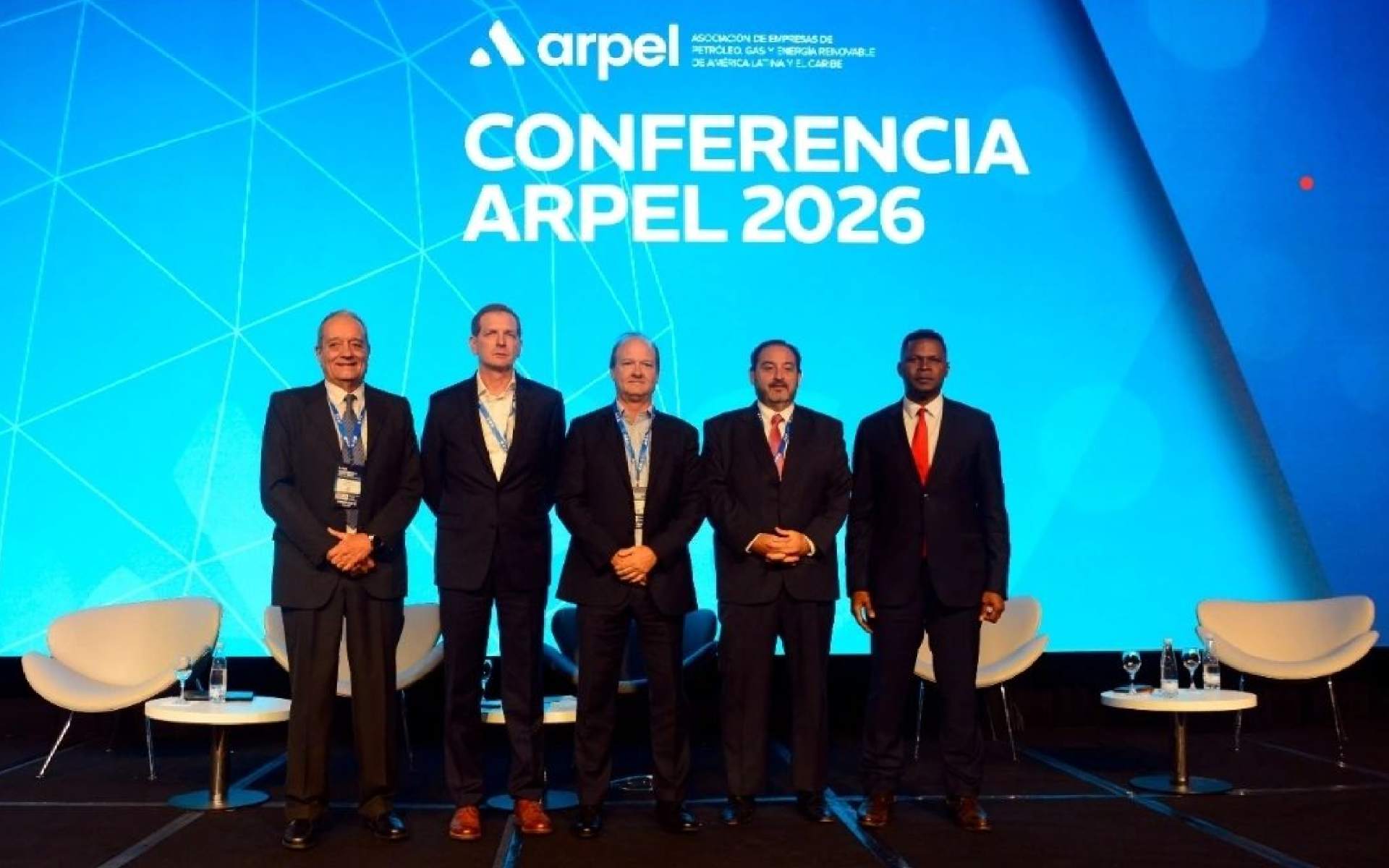
Speaking at the ARPEL Conference 2026 in Buenos Aires, Argentina, NJ Ayuk, Executive Chairman of the African Energy Chamber (AEC) – the voice of the African energy sector – delivered a direct message to policymakers, investors and industry leaders: “Forget transition. Let’s talk about addition. Let’s give people what they need.”
The numbers support the argument. Energy poverty remains one of the greatest barriers to economic development globally. In Africa alone, more than 600 million people remain without access to electricity, with nearly one billion people living without access to clean cooking technologies – the most disproportionately affected of which are women. Asking developing economies to produce less energy while these realities persist is fundamentally disconnected from the needs of billions of people.
“For far too long, we have been told to build less, produce less and pay more for energy,” Ayuk stated. “In Africa, we believe this is a moment for energy addition, not energy subtraction. Drill, baby, drill. It’s more important today than ever before.”
Africa offers the clearest justification for increasing oil and gas production. Despite holding more than 125 billion barrels of crude oil reserves and 620 trillion cubic feet of proven gas reserves, the continent relies heavily on imported petroleum products to sustain its economies. Inadequate investment flows across the energy value chain have impacted development and industrialization, leaving millions in the dark.
The global energy transition further compounds this challenge. Opposition by environmental groups, a shift toward aid rather than commercial business structures and diminishing investment for oil and gas projects have brought significant implications to the continent. While developed economies are pursuing a shift towards alternative energy sources, Africa needs its oil and gas – now more than ever before.
Efforts are being made across the continent to produce more oil and gas. Leading producers such as Nigeria and Angola strive to increase output, targeting brownfield development, accelerated exploration and enhanced recovery. Emerging producers such as Namibia are fast-approaching first oil, while discoveries made in Ivory Coast, investments made in the Republic of Congo, and new LNG builds in Mozambique and Tanzania are supporting greater production continent-wide.
“We must remain resolute. We must commit to an industry that builds more, produces more and never apologizes for oil. Many people in Africa are not ashamed of oil. We believe oil has a major role to play in our energy future,” Ayuk said.
Latin America offers a powerful demonstration of what sustained exploration and production can achieve. Brazil’s pre-salt developments remain among the most successful offshore projects in the world, delivering large volumes of low-cost production while attracting continued investment. Guyana continues to expand output at one of the fastest rates globally, while Argentina’s Vaca Muerta shale play is strengthening the country’s position as a major energy producer. Pan American Energy also recently announced plans to invest $680 million to revitalize Argentina’s Cerro Dragon field in the mature Golfo San Jorge basin, reflecting global interest in optimizing South American oil production.
The region’s success reflects a commitment to developing resources rather than restricting them. “Our friends in Latin America have been strong stewards for our industry,” Ayuk said, adding, “Be proud of your energy industry.”
That message extends far beyond Latin America. As governments reassess energy policy, supply security and economic growth priorities, oil and gas continue to provide the foundation upon which modern economies are built. The choice facing both emerging and producing nations is increasingly clear: either create the conditions necessary for investment, exploration and development, or risk falling behind in a world that continues to demand more energy.
“We do not have anywhere to transition to. Where are we going to transition to? From the dark to the dark?” Ayuk asked. “We want to ensure that we have energy that drives development.”
For billions of people still seeking access to affordable, reliable energy, the priority is not producing less. It is producing more.
“Don’t ever apologize for producing energy that drives human flourishing,” Ayuk concluded. “Keep building, keep producing and don’t be scared to say, ‘drill, baby, drill’ whenever you have the chance.”
