
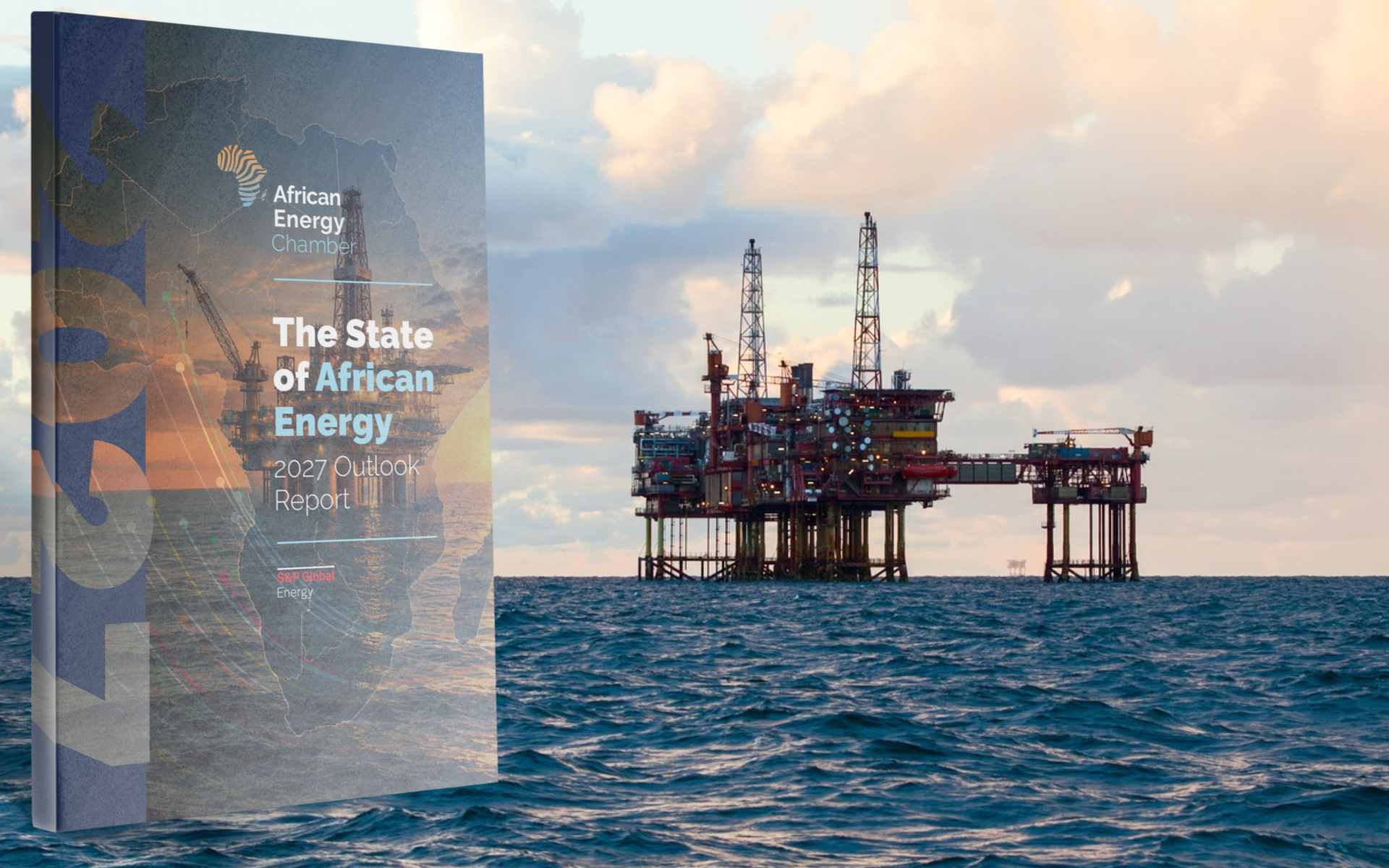
African upstream ownership is shifting as international operators redirect investment toward major deepwater and gas projects, creating opportunities for African companies to acquire producing assets. The African Energy Chamber’s (AEC) State of African Energy 2027 Outlook, developed with S&P Global Energy, identifies a growing transfer of mature upstream operations into regional ownership as international companies concentrate spending on larger development opportunities.
West Africa accounted for approximately two-thirds of disclosed African upstream M&A transaction value over the past decade, with Nigeria, Angola, Gabon and Ivory Coast generating much of the activity. Producing and development-stage assets dominated transaction value, while exploration opportunities continued to attract investment through farm-ins and partnership-led arrangements.
African Operators Take Over Mature Producing Assets
International portfolio divestments are allowing African companies to acquire established production and expand their operating positions. Providing the clearest examples, transactions in Nigeria involving Renaissance, Seplat Energy, Heirs Energies, Chappal Energies and NNPC transferring mature onshore and shallow-water assets into domestic ownership. These acquisitions also give buyers access to established gas infrastructure.
Angola offers opportunities around mature offshore fields requiring life-extension investments, while deepwater acreage provides longer-term growth potential. Gabon is pursuing greater national ownership through Gabon Oil Company’s acquisition of Tullow’s assets. Ivory Coast is attracting investment into development-stage projects, where new partners can accelerate execution without operators surrendering their entire equity positions.
Speaking at African Energy Week (AEW) 2026 in Cape Town, Denis Chatelan, Head of Business Development at Perenco, highlighted the commercial potential of mature Cameroonian resources. The company and its partners invested approximately $1 billion over five years, drilled about 10 wells and currently produce approximately 30,000 barrels of oil equivalent per day. “We continue to invest because there is a perfect match with our technology to be able to unlock relatively stranded reserves,” he said.
Perenco’s partnership with Cameroon’s National Hydrocarbons Corporation has supported investment in mature offshore fields, including the deployment of an FPSO vessel in Rio del Rey. Its pioneering FLNG project exported 11 million tons while supplying LNG domestically, demonstrating how technical investments can bring previously constrained resources to market.
Brownfield Development Attracts Specialist Operators
Mature producing assets are also attracting companies seeking to increase output through operational improvements rather than large-scale exploration. Evgeniy Petrenko, Acting Head for International Business at Gazprom Neft, said the company is targeting mature onshore brownfield assets where improved efficiency can increase production and extend field life.
Petrenko emphasized that successful investment requires country-specific commercial models and cooperation with local technical specialists. “Our strategy is onshore mature assets. We are looking for brownfield assets, bringing operational efficiency to increase production and breathe new life into these fields,” he said at AEW 2026.
Farm-Ins and Alternative Financing Reshape Upstream M&A
The Outlook identifies capital availability as an increasingly important constraint on African upstream transactions. Buyers must finance acquisitions while meeting subsequent development obligations, making outright purchases more difficult in capital-intensive projects. Farm-ins and carried interests allow partners to distribute appraisal and development costs while retaining exposure to future production. Namibia’s Mopane restructuring illustrates how carried funding can reduce an operator’s financial exposure ahead of major development decisions.
Commodity traders are also expanding beyond traditional offtake agreements into acquisition financing and direct equity participation. The Vitol-Eni transaction in Ivory Coast illustrates how traders are securing long-term supply exposure through upstream investment. Sebastian Wagner, Founder and President of DMWA Resources, highlighted the changing competitive landscape at AEW 2026. “We are seeing a shift in the players, with new entrants coming into the market while some of the traditional, conventional names are pulling out,” he said.
Wagner also pointed to the importance of investment returns as new participants compete for opportunities. “Those with the muscle, I think more and more so, have capital to work. They have to find decent [internal rates of return], decent [distributed to paid-in capital],” he said. The Outlook identifies Algeria and Libya’s reopened licensing opportunities, Namibia’s development-stage discoveries and Atlantic Margin acreage as potential sources of future transactions. As African companies acquire more producing assets, access to development financing will determine whether ownership changes translate into higher production.
Source: The State of African Energy 2027 Outlook, by the African Energy Chamber (AEC) in collaboration with S&P Global Energy, and powered by S&P Global Energy data.
